

Deer Fence Westchester: Comprehensive Installation Guide for Homeowners
Homeowners in Westchester County often face the challenge of protecting their gardens from deer. These graceful animals can wreak havoc on carefully cultivated landscapes, consuming plants and damaging soil. A well-installed deer fence is a practical solution to this problem. This guide will explore the various deer fence options available, key considerations for installation, a step-by-step installation process, and maintenance tips to ensure your fence remains effective throughout the seasons.
Deer Fence Options for Westchester Homeowners
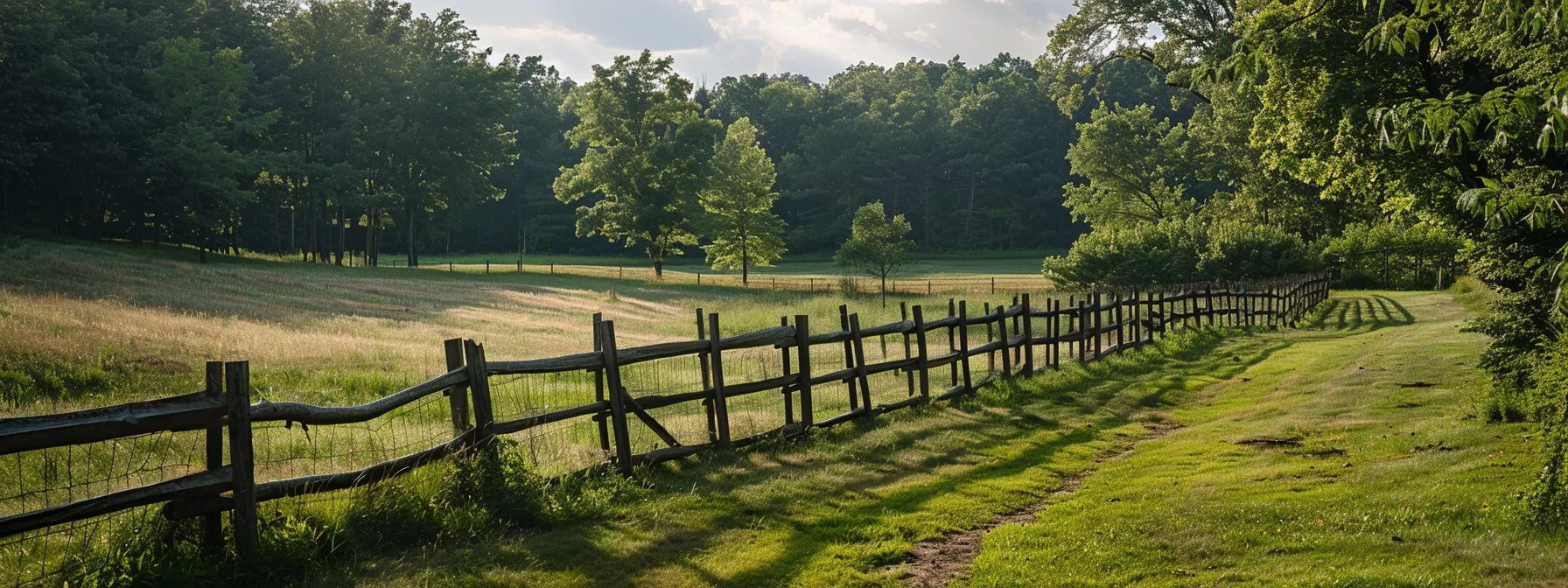
When choosing a deer fence for your property, it’s important to consider the different materials and designs available. The most common types include polypropylene mesh, metal wire, and wooden fencing. Polypropylene mesh is a lightweight, cost-effective option that blends seamlessly into the landscape. Metal wire fences provide a more durable solution, suitable for areas with high deer pressure. Additionally, wooden fences can complement your property’s Deer Fence Westchester, offering both aesthetic appeal and functionality.
Another important aspect to consider is the height of the fence. Deer are known for their ability to jump, so fences should be at least eight feet tall to effectively deter them. For properties with specific landscape challenges, such as varying elevations, consulting a local expert in Xeriscaping can ensure the fence integrates well with the environment. Moreover, understanding the Plant Hardiness Zones in Westchester can help you select the best materials that withstand local weather conditions.
Key Considerations for Deer Fence Installation
Before installing a deer fence, a thorough Site Analysis is crucial. This involves assessing the landscape to determine the best placement and type of fence. Factors such as soil type, existing vegetation, and property boundaries play a significant role in the decision-making process. Additionally, considering Soil Amendments can improve the growth of plants near the fence line, enhancing both the aesthetic and functional aspects of your garden.
Another consideration is the integration of the fence with existing garden features. For instance, incorporating Landscape Fabric can prevent weed growth around the fence, reducing maintenance efforts. Furthermore, aligning your fence installation with an Integrated Pest Management (IPM) strategy can enhance the overall health of your garden ecosystem. This holistic approach helps manage pests without relying heavily on chemical interventions.
Step-by-Step Process for Installing Deer Fences
Installing a deer fence involves several detailed steps to ensure effectiveness and durability. Begin with the preparation phase by marking the intended fence line and clearing any obstacles. It’s advisable to consult with an Arborist who holds Certification to ensure that no valuable trees are harmed during this process.
Once the area is cleared, set the fence posts at regular intervals, ensuring they are deep enough to withstand environmental stresses. The use of Organic Mulching around the posts can help retain moisture and improve soil health. After securing the posts, attach the fencing material, ensuring it is taut to prevent sagging.
Finally, inspect the entire fence line for any gaps or loose sections. This is particularly important in areas with uneven terrain. For properties employing Hydrozone Irrigation, ensure that the fence does not obstruct water flow to critical garden zones, maintaining efficient watering practices.
Maintenance Tips for Long-Lasting Deer Fences
Regular maintenance is key to preserving the integrity and effectiveness of your deer fence. Conduct seasonal inspections, particularly after harsh weather, to identify and repair any damage. Pruning Techniques can be employed to prevent overgrowth of nearby vegetation, which might compromise the fence structure.
Applying a Compost Tea to the soil along the fence line can boost plant health and deter pests naturally. Additionally, incorporating a Seasonal Planting Calendar can help you plan garden activities that align with fence maintenance schedules, ensuring minimal disruption to your landscape.
Lastly, if your home features Green Roof Systems, ensure that any runoff does not affect the structural integrity of the fence. A well-maintained fence not only protects your garden but also enhances the overall Biophilic Design of your property, promoting a harmonious connection between indoor and outdoor spaces.
Conclusion

Choosing and installing the right deer fence in Westchester County requires careful planning and consideration of local conditions. From selecting appropriate materials to integrating with existing landscape features, each step plays a crucial role in ensuring your garden remains protected and beautiful. A well-maintained deer fence not only safeguards your garden investments but also contributes to a thriving outdoor environment. Homeowners can enjoy a peaceful coexistence with nature, knowing their gardens are well-protected.