Understanding the Connection Between Mental Health and Physical Wellness in Recovery
The Inseparable Bond Between Mind and Body
When you’re working toward recovery from substance use challenges, you might find yourself focusing primarily on stopping the behavior itself. However, your journey involves far more than abstinence alone. Your mental health and physical wellness are deeply interconnected, each influencing the other in ways that can either support or hinder your progress. Understanding this connection gives you powerful insight into creating a sustainable path forward.
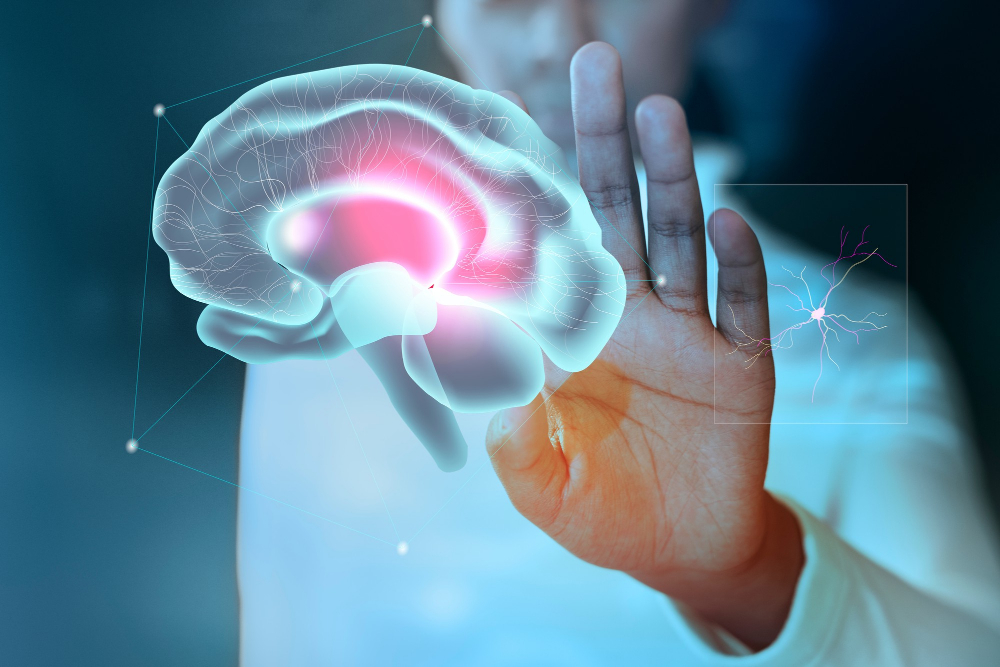
Your brain and body communicate constantly through complex networks of neurotransmitters, hormones, and nervous system signals. When substance use disrupts these systems, the effects ripple through every aspect of your health. Depression might manifest as chronic fatigue. Anxiety can trigger digestive problems. Trauma stored in your body might emerge as muscle tension or pain. Recognizing these connections helps you address the whole picture rather than isolated symptoms.
The relationship works both ways. Physical health problems can intensify mental health challenges, creating cycles that feel impossible to break. Poor sleep worsens depression. Chronic pain increases anxiety. Nutritional deficiencies affect mood regulation. When you address both dimensions simultaneously, you create synergistic healing that accelerates your recovery journey.
How Substance Use Affects Your Whole System
Substance use doesn’t exist in isolation within your body. It fundamentally alters your brain chemistry, affecting neurotransmitters like dopamine, serotonin, and GABA that regulate mood, motivation, and stress response. Over time, your brain adapts to these substances, requiring them to feel normal. This neurological adaptation explains why stopping feels so difficult—your brain has literally rewired itself around the substance.
Beyond brain chemistry, substances impact nearly every organ system. Your liver works overtime to process toxins, potentially leading to damage. Your cardiovascular system experiences stress through elevated heart rate and blood pressure. Your immune system becomes compromised, making you more susceptible to illness. Your digestive system struggles to absorb nutrients properly, leading to deficiencies that affect energy, mood, and cognitive function.
The physical toll extends to your sleep architecture. Substances disrupt natural sleep cycles, preventing you from reaching restorative deep sleep stages. Even when you sleep for hours, you wake feeling exhausted because your body hasn’t completed essential repair processes. This sleep deprivation then exacerbates mental health symptoms, creating another reinforcing cycle.
Your endocrine system also suffers significant disruption. Hormones that regulate stress, metabolism, and reproductive function become imbalanced. Cortisol levels may remain chronically elevated, keeping your body in a constant state of stress response. This hormonal chaos contributes to mood swings, weight changes, and difficulty managing emotions.
Common Co-Occurring Mental Health Conditions
If you’re navigating substance use challenges, there’s a strong likelihood you’re also managing mental health conditions. Research consistently shows that the majority of individuals with substance use disorders also experience conditions like depression, anxiety, PTSD, bipolar disorder, ADHD, or OCD. This isn’t coincidental—these conditions often share underlying causes and risk factors.
Depression and substance use frequently occur together, each worsening the other. You might have initially used substances to numb emotional pain or create temporary relief from persistent sadness. Over time, the substances themselves alter brain chemistry in ways that deepen depression. The guilt and shame surrounding substance use add another layer of depressive symptoms. Breaking free requires addressing both the substance use and the underlying depression simultaneously.
Anxiety disorders commonly co-occur with substance use as well. You might have discovered that certain substances temporarily quiet racing thoughts or reduce physical anxiety symptoms. However, as substances wear off, anxiety typically rebounds with greater intensity. Your body develops tolerance, requiring increasing amounts to achieve the same calming effect. Eventually, the substances that once provided relief become a primary source of anxiety themselves.
Trauma plays a particularly significant role in this connection. If you’ve experienced trauma—whether childhood adversity, violence, accidents, or other distressing events—you carry that experience in both your mind and body. Substances often serve as a way to manage trauma symptoms like hypervigilance, flashbacks, and emotional numbness. Effective recovery requires trauma-informed approaches that help you process these experiences safely while building healthier coping mechanisms.
For individuals with ADHD, substances might have initially helped with focus or impulse control. The stimulation or sedation provided temporary relief from ADHD symptoms. Similarly, those with bipolar disorder might have used substances to manage mood swings, either dampening manic energy or lifting depressive episodes. Recognizing these patterns helps you understand your substance use as an attempted solution rather than simply a problem.
The Role of Integrated Treatment Approaches
Traditional approaches often treated substance use and mental health conditions separately, requiring you to navigate different providers, conflicting advice, and fragmented care. Modern understanding recognizes that integrated treatment—addressing both dimensions simultaneously—produces significantly better outcomes. When you receive coordinated care that treats your whole experience, recovery becomes more achievable and sustainable.
Integrated treatment recognizes that you can’t successfully address substance use while ignoring underlying mental health conditions. Attempting to stop substance use without treating depression leaves you vulnerable to relapse when depressive symptoms intensify. Similarly, managing anxiety without addressing substance use means continuing behaviors that ultimately worsen anxiety. Comprehensive programs like those offered at Healing Rock Recovery provide coordinated care that addresses both substance use and mental health conditions through evidence-based therapies and holistic approaches tailored to your unique needs.
Evidence-based therapies form the foundation of effective integrated treatment. Cognitive Behavioral Therapy (CBT) helps you identify and change thought patterns that contribute to both substance use and mental health symptoms. You learn to recognize triggers, challenge distorted thinking, and develop healthier responses to difficult emotions. Dialectical Behavior Therapy (DBT) teaches skills for emotional regulation, distress tolerance, interpersonal effectiveness, and mindfulness—all crucial for managing co-occurring conditions.
Medication-assisted treatment often plays a valuable role in integrated care. Medications can help stabilize brain chemistry, reduce cravings, manage withdrawal symptoms, and treat underlying mental health conditions. When prescribed and monitored by knowledgeable professionals, these medications provide crucial support during early recovery when your brain is healing and rebalancing. They’re not substituting one substance for another—they’re providing medical support for legitimate health conditions.
Physical Wellness as a Recovery Foundation
Your physical health provides the foundation upon which mental health and recovery rest. When your body is malnourished, sleep-deprived, and sedentary, maintaining emotional stability becomes exponentially harder. Conversely, when you prioritize physical wellness, you create conditions that support mental clarity, emotional regulation, and resilience.
Nutrition deserves particular attention during recovery. Substance use often leads to poor eating habits—skipped meals, reliance on processed foods, or simply forgetting to eat. Your body may be depleted of essential vitamins and minerals that affect brain function and mood. B vitamins, omega-3 fatty acids, magnesium, and amino acids all play crucial roles in neurotransmitter production and mental health. Restoring proper nutrition isn’t about rigid dieting—it’s about nourishing your body with foods that support healing.
Regular physical activity offers profound benefits for both mental health and recovery. Exercise stimulates production of endorphins and other neurotransmitters that naturally improve mood. It reduces stress hormones, improves sleep quality, and builds confidence through achievement. You don’t need intense workouts—even moderate activities like walking, yoga, or swimming provide significant benefits. The key is consistency and finding activities you genuinely enjoy rather than viewing exercise as punishment or obligation.
Sleep restoration represents another critical component of physical wellness in recovery. Your body needs quality sleep to repair damage, consolidate learning, regulate emotions, and restore energy. Establishing healthy sleep habits—consistent bedtime routines, dark and cool sleeping environments, limiting screen time before bed—helps your body reestablish natural rhythms. Initially, sleep may remain difficult as your brain adjusts to functioning without substances. Patience and consistency eventually lead to improved sleep quality.
The Power of Holistic and Creative Approaches
While evidence-based therapies and medical interventions form essential components of recovery, holistic and creative approaches address dimensions that traditional methods sometimes miss. These approaches recognize that healing involves more than symptom reduction—it involves reconnecting with yourself, discovering new forms of expression, and finding meaning beyond substance use.
Creative therapies like art and music provide non-verbal outlets for processing emotions and experiences. You might struggle to articulate trauma or complex feelings in words, but expressing them through painting, drawing, or music can access deeper layers of experience. These creative processes activate different brain regions, facilitating healing through alternative pathways. They also help you discover new sources of joy and accomplishment that substance use had overshadowed.
Mindfulness practices teach you to observe thoughts and emotions without judgment or reactivity. Through meditation, breathing exercises, or body awareness practices, you develop the capacity to sit with discomfort rather than immediately reaching for substances to escape it. This skill proves invaluable throughout recovery as you encounter triggers, cravings, and difficult emotions. Mindfulness isn’t about eliminating these experiences—it’s about changing your relationship with them.
Nature connection offers profound healing benefits that complement clinical interventions. Time spent in natural environments reduces stress hormones, lowers blood pressure, improves mood, and enhances overall wellbeing. Whether hiking, gardening, or simply sitting outdoors, nature provides perspective, peace, and reminder that you’re part of something larger than your struggles. The natural world operates in cycles of growth, dormancy, and renewal—a powerful metaphor for your own recovery journey.
Cultural Considerations in Healing
Your cultural background, beliefs, and values shape how you understand health, illness, and recovery. Effective treatment honors these cultural dimensions rather than imposing a one-size-fits-all approach. For many individuals, particularly those from Indigenous communities, culturally grounded healing practices provide essential connections to identity, community, and traditional wisdom.
Indigenous approaches to healing often emphasize balance, connection to community and land, spiritual wellness, and intergenerational healing. These perspectives recognize that substance use and mental health challenges don’t exist solely within individuals—they reflect broader historical trauma, cultural disruption, and loss of traditional ways. Healing therefore involves reconnecting with cultural identity, participating in traditional practices, and understanding personal struggles within larger historical context.
Programs that incorporate culturally specific approaches acknowledge that healing looks different across communities. What works for one person may not resonate with another based on cultural background and beliefs. Culturally competent care means providers understand these differences, respect diverse healing traditions, and integrate them appropriately into treatment plans. This respect for cultural diversity creates space for you to heal in ways that align with your values and identity.
Building Your Support Network
Recovery doesn’t happen in isolation. The relationships and support systems surrounding you significantly influence your success. Building a strong support network involves identifying people who genuinely support your recovery, establishing healthy boundaries with those who don’t, and connecting with others who understand your experience.
Family involvement can be incredibly powerful when approached thoughtfully. Your substance use and mental health challenges have likely affected family relationships, creating patterns of mistrust, enabling, or conflict. Family therapy helps address these dynamics, educating loved ones about addiction and mental health while teaching healthier communication and support strategies. When family members understand your challenges and learn how to help effectively, they become powerful allies in your recovery.
Peer support provides unique benefits that professional treatment alone cannot offer. Connecting with others who’ve walked similar paths reduces isolation and shame. You hear firsthand that recovery is possible because you’re learning from people who’ve achieved it. Peer support groups, whether 12-step programs, SMART Recovery, or other formats, offer ongoing community and accountability. These connections often become lifelong friendships that sustain you through challenges.
Professional support remains crucial throughout your recovery journey. Therapists, counselors, case managers, and medical providers bring expertise and objectivity that complement peer and family support. They help you navigate complex challenges, adjust treatment approaches as needed, and provide evidence-based interventions. The most effective recovery plans combine professional treatment with peer and family support, creating a comprehensive network.
Addressing Barriers to Integrated Care
Despite growing recognition of the need for integrated mental health and substance use treatment, barriers still prevent many people from accessing appropriate care. Understanding these barriers helps you navigate them more effectively and advocate for the care you deserve.
Geographic barriers affect many individuals, particularly those in rural areas. Quality treatment programs may be hours away, requiring transportation, time off work, and childcare arrangements that feel impossible to coordinate. Increasingly, virtual treatment options help bridge this gap, providing access to comprehensive care regardless of location. Telehealth has expanded dramatically, making it possible to participate in therapy, medication management, and even group programming from home.
Financial concerns represent another significant barrier. Treatment can be expensive, and insurance coverage varies widely. However, many programs offer sliding scale fees, payment plans, or accept various insurance types. Don’t let cost assumptions prevent you from exploring options—contact programs directly to discuss financial arrangements. Your health and recovery are worth the investment, and solutions often exist when you ask.
Stigma remains perhaps the most insidious barrier. You might fear judgment from employers, family, or community if you seek treatment. This shame keeps many people suffering in silence rather than reaching out for help. Remember that seeking treatment demonstrates strength and self-awareness, not weakness. Mental health and substance use challenges are health conditions deserving treatment, just like diabetes or heart disease. The more people speak openly about recovery, the more stigma diminishes.
Work and family responsibilities create practical barriers for many individuals. Taking time away from job or family duties feels impossible, even when you desperately need help. Flexible treatment options address this reality, offering evening programming, weekend sessions, or intensive outpatient formats that allow you to maintain work and family commitments while receiving comprehensive care. Recovery doesn’t require putting your entire life on hold—it requires finding treatment that fits your life.
Creating Your Personalized Recovery Plan
Your recovery journey is uniquely yours. While evidence-based practices provide proven frameworks, the specific combination of approaches that works best for you depends on your individual circumstances, preferences, challenges, and strengths. Creating a personalized recovery plan involves honest self-assessment, professional guidance, and willingness to adjust as you learn what works.
Start by identifying your specific needs. What substances have you been using? What mental health symptoms are you experiencing? What triggers or situations increase risk? What strengths and resources do you already possess? This assessment helps determine appropriate treatment intensity—some people need residential care, others thrive in outpatient programs, and many benefit from partial hospitalization that provides structure while allowing you to maintain some normal routines.
Consider what treatment approaches resonate with you. Do you connect with traditional talk therapy, or do creative and experiential approaches feel more natural? Are you interested in medication support? Does cultural or spiritual connection feel important to your healing? There’s no single right answer—effective treatment meets you where you are and incorporates elements that feel meaningful and motivating to you.
Build in flexibility and self-compassion. Recovery rarely follows a straight line. You’ll have days of progress and days of struggle. Setbacks don’t mean failure—they’re opportunities to learn and adjust your approach. The goal isn’t perfection; it’s consistent forward movement even when the path feels difficult. Celebrate small victories along the way, and remember that lasting change takes time.
Moving Forward with Hope and Commitment
Understanding the connection between mental health and physical wellness in recovery empowers you to approach healing comprehensively. You’re not just stopping substance use—you’re rebuilding your health across all dimensions, addressing underlying conditions, and creating a life that feels worth living without substances.
This journey requires courage, commitment, and support. You don’t have to figure everything out alone or have all the answers before starting. Take the first step by reaching out for help, whether that’s calling a treatment program, talking to your doctor, or confiding in a trusted friend or family member. Each small action moves you forward.
Recovery is possible. Thousands of people with co-occurring mental health and substance use challenges have found their way to healthier, more fulfilling lives. You have the same capacity for healing and growth. By addressing both your mental health and physical wellness through integrated, personalized treatment, you create the foundation for lasting recovery and genuine wellbeing. Your story doesn’t end with struggle—it continues with healing, growth, and the discovery of who you are beyond substance use.