What Makes a Dental Clinic TrulyPatient-Centric?
A truly patient-centric Dental Hospital in Hyderabad focuses on more than just treating dental problems. It creates an experience where patients feel heard, comfortable, informed, and confident throughout their dental journey. Modern dentistry is not only about advanced equipment or clinical expertise; it is about understanding patient concerns, offering personalised treatment plans, maintaining transparency, and building long-term trust. A patient-centric dental clinic places the individual at the centre of every decision, ensuring that every visit is convenient, stress-free, and focused on achieving better oral health outcomes.
Understanding Patient-Centric Dentistry
Patient-centric dentistry means designing every aspect of dental care around the needs, expectations, and comfort of patients. Instead of following a one-size-fits-all approach, dentists evaluate each patient’s oral condition, lifestyle, concerns, and treatment goals before recommending procedures. A patient-focused dental clinic ensures that patients receive clear explanations about their diagnosis, available treatment options, expected results, and costs involved. This approach helps patients make informed decisions about their oral health without feeling pressured.
Whether someone requires preventive care, cosmetic dentistry, dental implants, orthodontic treatment, or complex restorative procedures, the focus remains on delivering personalised and comfortable care.
Key Elements That Define a Patient-Centric Dental Clinic
1. Comprehensive Consultation and Diagnosis
The foundation of patient-centric care begins with a detailed consultation. A good dental clinic spends time understanding the patient’s concerns rather than rushing through appointments.
Advanced diagnostic tools such as digital X-rays, intraoral scanners, and 3D imaging help dentists identify dental problems accurately. Proper diagnosis allows dental professionals to create treatment plans that address the actual cause of the issue instead of providing temporary solutions.
A detailed consultation also helps patients understand their oral health condition and the importance of timely treatment.
2. Transparent Communication
One of the most important aspects of patient-focused dental care is communication. Many patients experience dental anxiety because they are unsure about procedures, discomfort levels, recovery time, or expenses.
A patient-centric clinic ensures complete transparency by explaining:
● Why a particular treatment is recommended
● Different treatment alternatives available
● Procedure duration and recovery expectations
● Maintenance requirements after treatment
When patients have clarity, they feel more confident and comfortable throughout their treatment process.
3. Comfortable and Anxiety-Free Environment
A welcoming environment plays a significant role in improving the overall dental experience. Patient-centric clinics focus on creating a calm atmosphere where individuals feel relaxed from the moment they enter.
Features such as comfortable waiting areas, friendly staff, painless treatment techniques, and gentle communication help reduce dental anxiety. Many modern clinics also use advanced technologies and minimally invasive procedures to improve patient comfort.
A positive dental experience encourages patients to maintain regular check-ups instead of visiting only during emergencies.
4. Personalised Treatment Plans
Every patient has unique dental requirements. A treatment approach that works for one person may not be suitable for another.
Patient-centric dental clinics create customised plans based on factors such as:
● Age and overall health
● Existing dental conditions
● Lifestyle habits
● Aesthetic expectations
● Long-term oral health goals
For example, someone looking for teeth replacement may have multiple options, including dental implants, bridges, or dentures. A patient-focused dentist explains the advantages and limitations of each option before recommending the most suitable solution.
5. Use of Advanced Dental Technology
Technology has transformed modern dental care by making treatments more accurate, predictable, and comfortable.
A patient-centric dental facility invests in advanced tools such as:
● Digital scanning technology
● Laser dentistry
● Computer-guided implant placement
● CAD/CAM restorations
● Digital smile design
These technologies improve treatment accuracy while reducing discomfort and appointment duration.
6. Focus on Preventive Dental Care
A patient-centric clinic does not only treat existing dental problems; it focuses on preventing future issues.
Regular dental examinations, professional cleaning, oral hygiene guidance, and personalised preventive advice help patients maintain healthy teeth and gums for years.
Dentists educate patients about proper brushing techniques, diet choices, and habits that influence oral health. This creates awareness and encourages patients to take responsibility for their dental wellbeing.
How to Identify a Patient-Centric Dental Hospital
Choosing the right dental facility requires looking beyond advertisements and infrastructure. A truly patient-focused dental hospital demonstrates its commitment through:
● Experienced and qualified dental professionals
● Patient-friendly consultation processes
● Ethical treatment recommendations
● Modern technology and hygiene standards
● Positive patient experiences
● Follow-up support after procedures
A good dental hospital ensures that patients receive quality care before, during, and after treatment.
Choosing the Right Dental Hospital in Kukatpally
For residents looking for reliable dental care, selecting the Best Dental Hospital in Kukatpally involves considering factors such as clinical expertise, treatment quality, technology, and patient experience.
A patient-centric dental hospital in Kukatpally focuses on providing comprehensive dental solutions under one roof, from routine dental check-ups and preventive care to advanced procedures like implants, cosmetic dentistry, orthodontics, and smile corrections.
The right dental facility prioritises personalised consultations where dentists understand individual concerns and recommend treatments based on long-term oral health benefits. Instead of promoting unnecessary procedures, patient-focused dental hospitals follow ethical practices and ensure patients understand every aspect of their treatment.
Accessibility, modern infrastructure, experienced dental teams, and a comfortable environment also contribute to a better dental experience. A clinic that values patient satisfaction continues to support individuals even after completing treatments through follow-up guidance and maintenance advice.
When choosing a dental care provider, patients should look for a place where advanced technology meets compassionate care. This combination helps create predictable treatment outcomes while ensuring patients feel valued and respected throughout their dental journey.
The Future of Patient-Centric Dental Care
The future of dentistry is moving towards personalised, technology-driven, and preventive care. With advancements in digital dentistry, artificial intelligence-based diagnostics, and minimally invasive procedures, patients can expect faster, safer, and more comfortable treatments.
However, technology alone cannot define exceptional dental care. The human connection between dentists and patients remains the most important element. Listening carefully, explaining clearly, and providing compassionate support are what truly make a dental clinic patient-centric.
Conclusion
A patient-centric dental clinic is built on trust, transparency, personalised treatment, advanced technology, and genuine care for every individual. The right dental hospital does not simply treat dental problems; it helps patients achieve better oral health with confidence and comfort.
If you are looking for advanced and compassionate dental care, schedule a consultation with a trusted dental team today and take the first step towards a healthier smile.
Locations Served:
● Kukatpally
● AS Rao Nagar
● Kondapur
● Kompally
Book your dental consultation today and experience patient-focused dental care designed around your comfort and long-term oral health.

How Underlying Tooth Problems Can Disrupt Your Life
Most people think of dental issues as minor inconveniences that affect only their smile. In reality, untreated tooth problems can create a cascade of health complications that touch nearly every aspect of daily living. From chronic pain that disrupts sleep to infections that spread throughout the body, underlying dental conditions operate quietly in the background until they demand urgent attention. Understanding how these problems develop and what they can trigger is essential for protecting both your oral health and your overall wellbeing.
How Tooth Decay Progresses Silently
Tooth decay often begins without any obvious symptoms, making it one of the most deceptive oral health problems. The process starts when bacteria in your mouth produce acids that attack tooth enamel. As the decay deepens into the dentin layer beneath the enamel, you might notice slight sensitivity when eating hot or cold foods. Many people ignore these early warning signs, assuming the sensation will pass on its own. By the time significant pain develops, the decay has typically advanced into the pulp chamber where the nerve lives. At this advanced stage, you are likely facing root canal therapy or extraction, which means weeks of discomfort and expensive treatment costs.
The financial impact of allowing decay to progress is substantial. A simple filling costs considerably less than a root canal procedure, and both treatments cost far less than replacing a missing tooth with an implant or bridge. Beyond the money, the time commitment becomes enormous. A single untreated cavity can grow into multiple appointments, time off work, and prolonged recovery periods that cut into your productivity and personal plans.
The Pain That Never Stops
Tooth pain is not like other body aches that gradually fade with time. Dental discomfort can be intense and constant, making it nearly impossible to focus on work, school, or family responsibilities. People with untreated tooth infections often report difficulty concentrating, which directly impacts job performance and academic achievement. Sleep disturbance is equally common because pain intensifies when you lie down and blood rushes to your head.
Chronic tooth pain can lead to tension headaches and jaw clenching, which then produces pain in the neck and shoulders. This interconnected pain pattern creates a physical toll that wears on your mental health. Many individuals dealing with persistent dental pain experience increased stress and anxiety about their condition. The emotional weight of untreated dental disease compounds the physical suffering and creates a cycle that affects relationships and overall quality of life.
Infections That Spread Beyond Your Mouth
When tooth decay or gum disease creates an opening in your mouth, bacteria can enter the bloodstream and travel to other parts of your body. A dental abscess is a localized bacterial infection at the tooth root that can become serious if left untreated. The infection may spread to the sinuses, causing chronic sinus problems, or reach the brain in rare but dangerous cases. Even without reaching these critical areas, oral infections trigger an immune response that puts your entire body under stress.
Research from dental health organizations has documented cases where dental infections contributed to complications in patients with heart disease or diabetes. These individuals experienced worsened symptoms because their immune systems were already compromised. For people without underlying health conditions, an untreated tooth infection can still cause fever, swelling in the face and neck, and difficulty swallowing. Patients dealing with advanced infections or abscesses requiring surgical drainage work with an oral surgeon in cleburne, TX to perform these procedures safely and prevent the infection from spreading further.
Missing Teeth and Broader Health Changes
When a tooth is lost or extracted due to decay, the consequences extend far beyond the empty space in your mouth. The surrounding bone begins to deteriorate because it no longer receives stimulation from the tooth root. This bone loss can continue for years, gradually changing the shape of your jaw and facial structure. Over time, these changes can alter the way your remaining teeth align and affect your overall appearance.
Missing teeth also make it difficult to chew properly, forcing you to avoid certain foods and rely on softer options. This dietary restriction can lead to nutritional imbalances if entire food groups are eliminated. For example, someone who avoids nuts and raw vegetables due to missing back teeth may miss out on fiber and essential vitamins. Additionally, the remaining teeth must work harder to handle chewing forces, increasing their risk of wearing down or cracking over time.
The Connection Between Oral Health and Chronic Disease
Many people are surprised to learn that the health of their teeth and gums can influence the health of the entire body. The mouth serves as a gateway to the digestive and respiratory systems, which means bacteria and inflammation originating in the oral cavity can affect other organs. When gum disease develops, the body’s immune system remains in a constant state of alert, producing inflammatory responses that may contribute to broader health concerns.
Several studies have highlighted links between periodontal disease and conditions such as cardiovascular disease, diabetes, and respiratory illnesses. While poor oral health may not directly cause these conditions, it can make them more difficult to manage. For example, individuals with diabetes often experience increased difficulty controlling blood sugar levels when gum infections are present. Likewise, chronic inflammation associated with periodontal disease may place additional strain on the cardiovascular system.
Pregnant women also face unique risks from untreated oral health problems. Severe gum disease has been associated with complications such as premature birth and low birth weight. Because of these connections, healthcare providers increasingly encourage patients to view dental care as an important component of preventive healthcare rather than a separate concern. Maintaining healthy teeth and gums supports not only oral function but also the body’s overall ability to remain healthy and resilient.
Everyday Activities Become More Difficult
Underlying dental problems can gradually interfere with routine tasks that most people take for granted. Eating, speaking, and even laughing may become uncomfortable when tooth sensitivity, cavities, or gum infections are present. Many individuals subconsciously alter their habits to avoid discomfort, chewing on one side of the mouth or avoiding foods they once enjoyed.
Speech can also be affected when teeth are damaged or missing. Certain sounds rely on proper tooth placement and tongue positioning, so significant dental issues may create pronunciation challenges. While these changes may seem minor at first, they can become frustrating in professional environments where clear communication is essential.
Even simple daily routines like brushing and flossing can become painful when gums are inflamed or teeth are sensitive. As discomfort increases, some people begin neglecting oral hygiene because the process feels unpleasant. Unfortunately, this often accelerates the progression of dental disease, creating a cycle that becomes increasingly difficult to break without professional intervention.
The Hidden Impact on Nutrition
A healthy diet depends on the ability to chew a variety of foods effectively. When dental problems make chewing painful, people often gravitate toward softer, more processed foods that require less effort. While this adjustment may provide temporary relief, it can negatively affect nutrition over time.
Crunchy fruits and vegetables, lean proteins, nuts, and whole grains are often among the first foods people reduce or avoid because they can be difficult to chew with damaged teeth or sore gums. Unfortunately, these foods contain many of the vitamins, minerals, and nutrients necessary for maintaining good health. As dietary choices become more limited, the risk of nutritional deficiencies increases.
Poor nutrition can then worsen oral health issues. Inadequate intake of nutrients such as calcium, vitamin D, and vitamin C may weaken teeth and reduce the body’s ability to heal damaged tissues. This creates another cycle where oral health problems and nutritional deficiencies reinforce one another. Addressing both concerns simultaneously is often necessary for lasting improvement.
Why Early Detection Matters
One of the most important reasons dental professionals emphasize routine checkups is that many serious oral health problems begin with subtle symptoms. Small cavities, early gum disease, and minor cracks in teeth may not cause noticeable pain initially. Because there is little discomfort, people often postpone treatment until the damage becomes more extensive.
Regular dental examinations allow professionals to identify these issues before they develop into larger problems requiring invasive procedures. Early intervention often involves simpler treatments, shorter recovery times, and lower costs. A cavity detected during a routine cleaning may require only a filling, while the same cavity left untreated could eventually require a root canal, crown, or extraction.
Preventive dentistry remains one of the most effective investments a person can make in their long-term wellbeing. Through routine cleanings, examinations, and healthy daily habits, many of the disruptions caused by underlying tooth problems can be avoided altogether. Catching problems early not only protects your smile but also helps preserve your comfort, confidence, and quality of life for years to come.
Provide your feedback on BizChat
How Poor Oral Health Affects Confidence and Social Life
The visible aspects of tooth decay and missing teeth take an emotional toll that is often underestimated. People with noticeable dental problems frequently experience embarrassment that makes them reluctant to smile or speak openly. This self-consciousness can damage confidence in professional settings, social gatherings, and personal relationships. Job interviews and presentations become stressful events when concern about how others perceive your teeth occupies your attention.
The isolation that sometimes accompanies poor oral health can contribute to depression and reduced social engagement. When someone avoids going out because of shame about their smile, they miss opportunities to build relationships and participate in activities they once valued. The psychological impact can be as debilitating as the physical symptoms. Over time, reduced social connection affects long-term mental health and life satisfaction in ways that go well beyond the original dental concern.
Conclusion
Underlying tooth problems rarely stay confined to your mouth. They create ripples of disruption that affect your physical health, mental wellbeing, finances, and social relationships. The pain from untreated decay interferes with sleep and work performance, while infections can spread to dangerous areas of the body. Missing teeth change your appearance and limit your diet, and visible dental problems can damage your confidence and reduce your social connections. Recognizing the early signs of tooth decay, gum disease, or other oral issues and seeking prompt treatment is one of the most effective ways to protect yourself from these cascading problems. The investment in dental care today prevents far more serious complications and expenses in the future.
The Ultimate Guide To Finding Your Perfect Dentist: Tips and Tricks
Finding a dentist who meets your needs and exceeds your expectations is crucial to maintaining good oral health. The rapport you establish with your dentist, the quality of care you receive, and the overall experience can have a lasting impact on your dental wellness. Whether you’re looking for a routine check-up or a specialized procedure, the right dental professional can make all the difference. In this article, we will delve into how you can find a dentist who’s the right fit for you. Keep reading for insightful advice on considerations ranging from credentials to comfort, and from convenience to patient feedback.
Utilizing Online Reviews and Testimonials in Your Decision Process
Online reviews are a useful tool for evaluating dental services, offering insight into a dentist’s approach, office environment, and treatment success. Look for patterns in feedback and focus on specific, constructive reviews rather than overly emotional or vague ones.
While online reviews help, personal recommendations can be even more reliable. If friends or family highly recommend a dentist, take note as these firsthand experiences often provide the best insight. If you’re searching for the best dentist in Miami Florida, consider both online feedback and direct referrals to make the right choice.
Understanding the Importance of Choosing the Right Dentist
Choosing the right dentist is more than just cleaning teeth; it involves a dental professional who is invested in your long-term health and has the knowledge to identify potential oral health issues before they escalate into more severe problems. Poor oral health can lead to discomfort, pain, and systemic health complications.
A dentist who you trust and feel comfortable with is essential for your health journey. The quality of the patient-dental professional relationship is also crucial. A dentist who takes the time to address your questions and concerns makes you feel valued and involved in your dental care. A positive dental experience is essential for achieving and maintaining optimal oral health.
Evaluating Dentist Credentials and Experience
Dentist qualifications are crucial in selecting a dentist. Ensure they are licensed and practice in your state. Experience is also important, as a dentist with a long history of practice can handle various dental issues and offer both classic and modern treatment options. Specialized services, such as orthodontics or cosmetic dentistry, are essential for better outcomes.
Choose a dentist with expertise in these areas. Consider their professional development pursuits, as a dedicated professional with memberships in professional organizations and ongoing education can demonstrate their dedication to their craft. Choosing a dentist based on their qualifications, experience, and commitment to continuous learning is essential for a successful dental experience.
Considering Location and Office Hours for Convenience
Choosing a dentist’s office is crucial for convenience and regular visits. It’s important to find one that is easily accessible, especially for procedures requiring multiple sittings or emergency situations. Office hours should align with your schedule, with some offices offering evening or weekend appointments.
A user-friendly online booking system or efficient phone service can save time and frustration. Good communication with staff is also important. Proximity to other healthcare services, such as larger centers, can provide seamless coordination with other medical professionals, especially for patients with interrelated dental and medical issues.
Assessing Communication and Patient Comfort
Effective communication between patients and dentists is crucial for a successful dental experience. Dentists should provide clear explanations about oral health status, treatment options, and preventive care, and listen to patients’ concerns to make informed decisions. Patient comfort is also important, as it goes beyond pleasantries and a comfortable waiting area. A dentist who prioritizes patient comfort may offer sedation options for those with dental anxiety.
Support staff interactions, such as friendly and competent administrative staff, can also enhance the overall experience. Digital communication, such as electronic health records and appointment reminders, can streamline the experience and ensure patients are well-informed about their dental health journey. These practices are often forward-thinking in other areas of patient care.
Overall, selecting the right dentist is a process that deserves careful consideration. Conducting thorough research, examining a dentist’s credentials and experience, and considering your own comfort and convenience needs are all essential steps in finding your perfect dental match. By seeking out reviews—both online and from personal sources—you can gain valuable insights that help solidify your choice. Remember, a great dentist is key to not just a great smile, but also to your long-term health and well-being.
Root Canal Treatment in Dubai & Abu Dhabi
Experiencing toothache or sensitivity can be greater than just a nuisance; it can sign the want for a selected dental manner recognized to save and restore enamel: the basis canal. This treatment is a not unusual recourse for people suffering from infected or severely damaged teeth. For those placed in Abu Dhabi or Dubai, the possibilities for receiving advanced dental care, mainly for root canals, are great. This manual will stroll you through the critical elements of root canal remedies in those two dynamic towns of the UAE, highlighting some pinnacle dental clinics wherein you could get the right of entry to first-rate offerings.
Deciphering the Root Canal Process
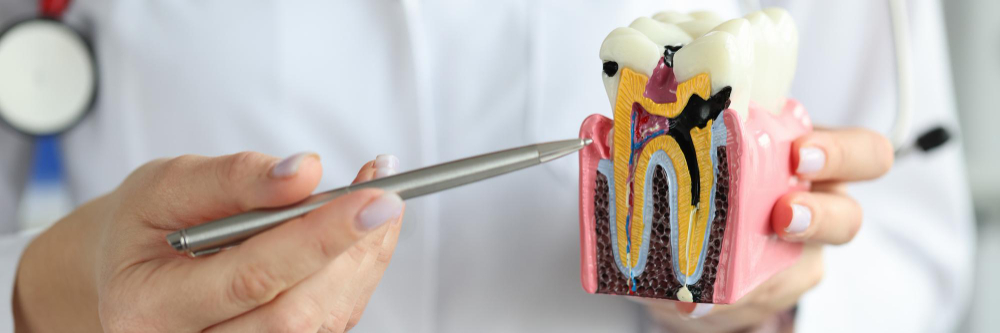
Let’s first clarify what a root canal includes. Contrary to some apprehensions, the procedure isn’t always a motive for dread but a pain-relieving, teeth-saving treatment. The method entails the removal of the damaged or inflamed pulp from within the teeth, accompanied by cleansing, disinfecting, and subsequently, filling and sealing the teeth. Technological improvements have made root canals tons much less intimidating, emphasizing patient consolation and efficiency.
Abu Dhabi’s Premier Root Canal Services
Abu Dhabi offers a wealthy selection of dental clinics ready with cutting-edge technologies and staffed by dental professionals who are specialists in their discipline, ensuring patients receive the fine feasible care.
Clinics stand out for his or her holistic method of dental well-being, incorporating superior root canal in abu dhabi. They are regarded for their use of modern-day generations and methodologies, aiming for effects that now not only resolve immediate dental problems but also make a contribution to long-term oral fitness.
Another amazing facility, [Clinic Name], prides itself on turning in personalized dental care. They emphasize teaching their patients about preventive measures along with imparting targeted remedies, ensuring a thorough and patient-friendly approach to dental care.
Dubai: A Hub for Top-Notch Root Canal Treatments
Dubai isn’t only a tourist vacation spot but also a hub for awesome dental offerings, which include specialized remedies like root canals. The metropolis’s dental clinic in dubai is at the forefront of dental generation and patient care, making sure both citizens and site visitors have get entry to to nice dental solutions.
Clinics in Dubai is celebrated for its professional team of endodontists and the trend in dental technology, offering a promise of excellence and innovation in every system.
Likewise, Clinics is outstanding for its excellence in imparting root canals in dubai . They merge superior dental practices with a focal point on person-affected person desires, main to advanced care and effects.
The root canal method involves the elimination of the infected or inflamed pulp, followed by the cleansing and disinfecting of the internal regions of the teeth. Once clean, these spaces are crammed and sealed with a biocompatible cloth to prevent in addition infection. Contrary to not unusual misconceptions, contemporary root canal remedies are usually painless, way too advanced strategies and anesthesia, and are effective in preserving the natural teeth, preventing the need for extraction and replacement with artificial alternatives. This not best alleviates aches but also restores the enamel’s characteristics and look, contributing to typical oral fitness and well-being.
Selecting the Ideal Dental Clinic
With several options available, it’s essential to pick out a dental health facility in Dubai that aligns along with your desires and expectations for a root canal treatment. Consider the subsequent standards:
Expertise and Experience: Clinics with a seasoned team of experts in endodontics are most desirable for their deeper expertise and skill in acting root canals.
Technological Edge: Facilities that make investments in modern dental technologies tend to offer extra specific and less invasive treatment options.
Patient Comfort and Care: Choose clinics that move the greater mile in ensuring patient consolation, from the reception vicinity to the treatment room, making the enjoy as pressure-unfastened as viable.
Holistic Dental Solutions: Opt for clinics that offer a comprehensive range of services, ensuring a holistic technique for your dental health.
Positive Patient Feedback: Reading via testimonials and opinions can provide perception into the medical institution’s career and patient satisfaction stages.
Conclusion
In Abu Dhabi and Dubai, the prospect of undergoing a root canal treatment comes with the assurance of access to exceptional dental care. The key to a successful treatment lies in selecting a reputable clinic, known for its skilled professionals and modern facilities. Remember, the right care not only addresses your immediate dental concerns but also safeguards your oral health in the long run. With the right clinic, your journey to a healthier smile can be smooth and reassuring, letting you enjoy the vibrant life these cities have to offer with confidence.
Dental Insurance for Seniors – What You Need to Know
Dental insurance is an important consideration for seniors, as it can help cover the cost of necessary dental care and preventative measures to maintain their oral health. However, many seniors are unsure of what dental insurance is available to them, and how to choose the best option for their needs. In this article, we’ll explore the various types of dental insurance available to seniors, how to maximize your plan’s benefits, and strategies for managing dental insurance costs, For more information, visit this website today.
Key Takeaways:
- Several types of dental insurances are available to seniors, including traditional, discount, and Medicare Advantage plans.
- To maximize the benefits of your dental insurance plan, take advantage of preventive care, such as routine check-ups, cleanings, fluoride treatments, and orthodontic coverage.
- To minimize out-of-pocket expenses, understand the terms and conditions of your plan, compare plan options from different providers, and research the costs of different procedures.
- To choose the right dental insurance provider, consider the availability of your preferred dentist and the quality of the provider’s network, the reputation and financial stability of the insurance company, and the customer service and support they offer.
- Seniors can consider additional options such as dental savings plans, dental discount cards and standalone dental insurance policies.
- It’s important to review your dental insurance options and make sure you have the coverage you need to maintain your oral health.
Understanding Dental Insurance for Seniors
Dental insurance is a type of health insurance that helps cover the cost of necessary dental care, such as routine check-ups, cleanings, and fillings. Several types of dental insurance are available to seniors, including traditional, discount, and Medicare Advantage plans.
Traditional insurance plans typically require a monthly premium and may also have out-of-pocket expenses. These plans often have a network of participating dentists, so it’s important to make sure your preferred dentist is in-network before enrolling in a plan.
On the other hand, discount plans do not require a monthly premium and typically offer discounts on dental procedures rather than full coverage. These plans may also have a network of participating dentists, so it’s important to check the availability of your preferred dentist before enrolling.
Medicare Advantage plans, also known as Medicare Part C, are a type of Medicare plan that includes additional benefits, such as dental coverage. Private insurance companies offer these plans and have specific rules and guidelines. It’s important to understand the terms and conditions of the plan before enrolling, as they may vary from traditional Medicare.
When choosing a dental insurance plan, it’s important to consider your personal needs, budget, and the availability of your preferred dentist. Seniors should also consider coverage options, such as preventive, orthodontic, and emergency dental services.
Maximizing Dental Insurance Benefits for Seniors
Once you’ve chosen a dental insurance plan, it’s important to understand how to take full advantage of your benefits. One of the best ways to maximize your benefits is by taking advantage of preventive care, such as routine check-ups, cleanings, and fluoride treatments. These preventive measures can help detect and prevent dental problems early on, saving money and improving oral health in the long run.
Orthodontic coverage is another important benefit that seniors should consider. Many traditional dental insurance plans include coverage for orthodontic care, such as braces and other orthodontic treatments. This can help seniors save money on these procedures and improve their oral health.
Managing Dental Insurance Costs for Seniors
While dental insurance can help cover the cost of necessary dental care, it’s important to understand how to manage the costs associated with your plan. One of the biggest factors to consider is the premium, which is the monthly cost of your insurance plan. Premiums can vary depending on the plan type, age, and other factors.
Another important factor to consider is out-of-pocket expenses, such as deductibles and co-pays. You are responsible for paying these expenses, even with dental insurance. To minimize out-of-pocket expenses, it’s important to understand the terms and conditions of your plan, such as the types of services covered and the amount of coverage.
Choosing the Right Dental Insurance Provider for Seniors
When choosing a dental insurance provider, it’s important to consider the availability of your preferred dentist and the quality of the provider’s network. Many insurance providers have a network of participating dentists, and it’s important to make sure your preferred dentist is in-network before enrolling in a plan. In addition, research the reputation and financial stability of the insurance company, and consider the customer service and support that they offer.
Another important consideration is the type of plan offered by the provider. As mentioned earlier, different types of dental insurance plans are available, such as traditional, discount, and Medicare Advantage plans. It’s important to understand the terms and conditions of the plan and how it aligns with your personal needs and budget.
Additional Dental Insurance Options for Seniors
In addition to traditional dental insurance plans, there are other options available for seniors to consider. One such option is a dental savings plan, which is a type of discount plan that allows members to save money on dental procedures. Dental providers typically offer these plans and do not require a monthly premium.
Another option is a dental discount card, which offers discounts on dental procedures to members. These cards can be purchased online or through dental providers and do not require a monthly premium.
Lastly, seniors can also consider purchasing a standalone dental insurance policy, a type of insurance plan specifically designed for dental care. These plans are often more affordable than traditional insurance plans and can be purchased through insurance providers or online.
Conclusion
Dental insurance is an important consideration for seniors, as it can help cover the cost of necessary dental care and preventative measures to maintain their oral health. However, many seniors are unsure of what dental insurance is available to them, and how to choose the best option for their needs. By understanding the different types of dental insurance available, maximizing your plan’s benefits, and managing the costs associated with dental insurance, seniors can make informed decisions about their dental care. Additionally, seniors can consider additional options such as dental savings plans, dental discount cards and standalone dental insurance policies. It’s important to review your dental insurance options and make sure you have the coverage you need to maintain your oral health.
FAQ:
What types of dental insurance are available for seniors?
Several types of dental insurance are available to seniors, including traditional, discount, and Medicare Advantage plans. Traditional insurance plans typically require a monthly premium and may also have out-of-pocket expenses. On the other hand, discount plans do not require a monthly premium and typically offer discounts on dental procedures. Medicare Advantage plans, also known as Medicare Part C, are a type of Medicare plan that includes additional benefits, such as dental coverage.
How can I maximize the benefits of my dental insurance plan?
One of the best ways to maximize your benefits is by taking advantage of preventive care, such as routine check-ups, cleanings, and fluoride treatments. These preventive measures can help detect and prevent dental problems early on, saving money and improving oral health in the long run. Additionally, orthodontic coverage is another important benefit that seniors should consider, as it can help seniors save money on orthodontic procedures and improve their oral health.
How can I minimize my out-of-pocket expenses for dental insurance?
To minimize out-of-pocket expenses, it’s important to understand the terms and conditions of your plan, such as the types of services covered and the amount of coverage. It’s also helpful to compare plan options from different providers, and research the costs of different procedures. Additionally, some providers may offer discounts for certain services, so it’s worth asking about this as well.
How do I choose the right dental insurance provider for me?
When choosing a dental insurance provider, it’s important to consider the availability of your preferred dentist and the quality of the provider’s network. Research the reputation and financial stability of the insurance company, and consider the customer service and support they offer. Additionally, make sure you understand the terms and conditions of the plan offered by the provider and how it aligns with your personal needs and budget.
Are there additional options available for seniors besides traditional dental insurance plans?
Yes, there are additional options available such as dental savings plans, dental discount cards and standalone dental insurance policies. Dental savings plans are offered by dental providers and do not require a monthly premium, while dental discount cards can be purchased online or through dental providers. Standalone dental insurance policies are a type of insurance plan specifically designed for dental care and can be purchased through insurance providers or online.

10 Most Common dental problems
1.Toothache
There is no specific cause of toothache. It can be caused due to several reasons. Some of them are cavities, irregular brushing, gingivitis, breaking of teeth, grinding of teeth, and many more. Taking a dentist’s is very necessary but until then you can rinse your mouth when you have a toothache or you have to apply clove oil to it. But these home remedies can not last forever. You have to go to the dentist to find out the actual problem of a toothache and get it treated. But it happens to everyone in their life and more than once. So it is the most common dental problem.

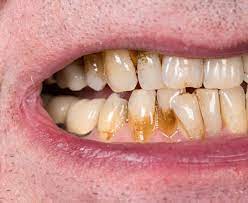
2. Stained tooth
When we see the aesthetic point of view, the color of your teeth is very important. Stain doesn’t always mean white teeth. The teeth are not white in the case of everyone. They are of different shades in different people. If you have yellow teeth you do not have to make extra efforts to get them whitened. But no matter what shade the teeth is, it always should be uniform in color. This is according to the aesthetic point of view. This can happen due to chewing tobacco or smoking or other foul habits. You can make it uniform in three different ways. First is you can go to the dentist where they can do scaling of your teeth and use a light to whiten them. Or the second is you can get a plastic plate and a whitening gel from the dentist or a pharmacy store and when it in your home. Or you can use whitening pastes and whitening rinses. But using whitening pastes and rinses can remove the stains only from the surface.
3. Cavities
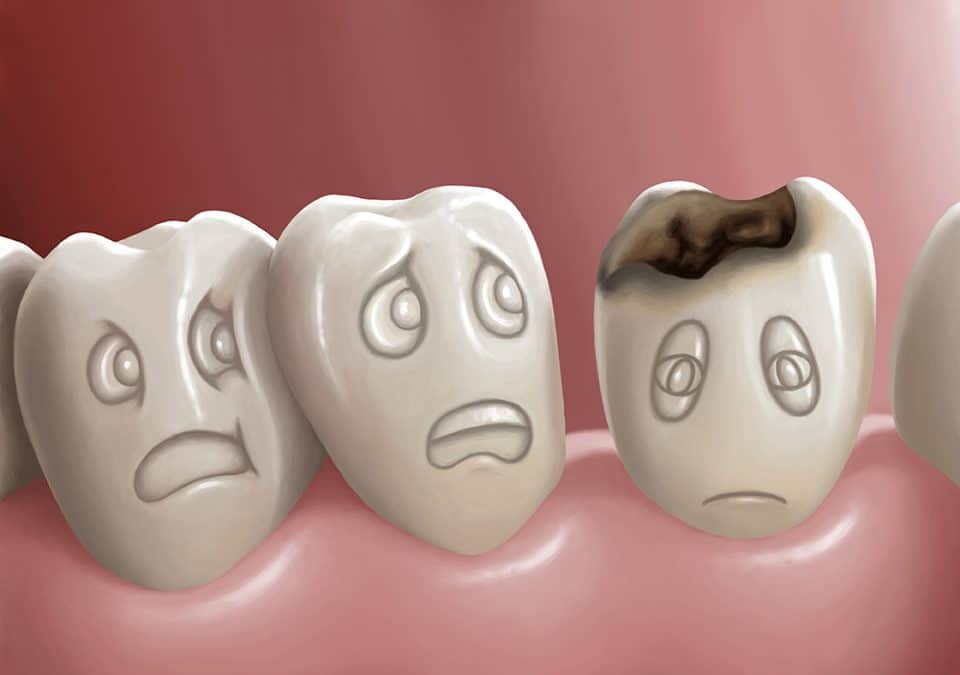
Dental Cavities are considered as one of the most common problems. This has no particular age of occurrence. It can occur in kids and in adults too. Cavities are microbial infections that are characterized by the demineralization of the inorganic substances and distortion of the organic substances. The enamel or the top surface of your tooth is usually made up of organic and inorganic substances. When we eat food some of them get stuck in our teeth. Some bacteria are always present in our teeth. So these bacteria decompose the food particles in the presence of saliva and produce an acid. This acid can cause the wearing away or the loss of enamel. After the enamel, this carry proceeds further into the tooth. This can be treated by filling or root canal. If you don’t get your cavities checked then they may proceed so deep that you have to get the tooth extracted.
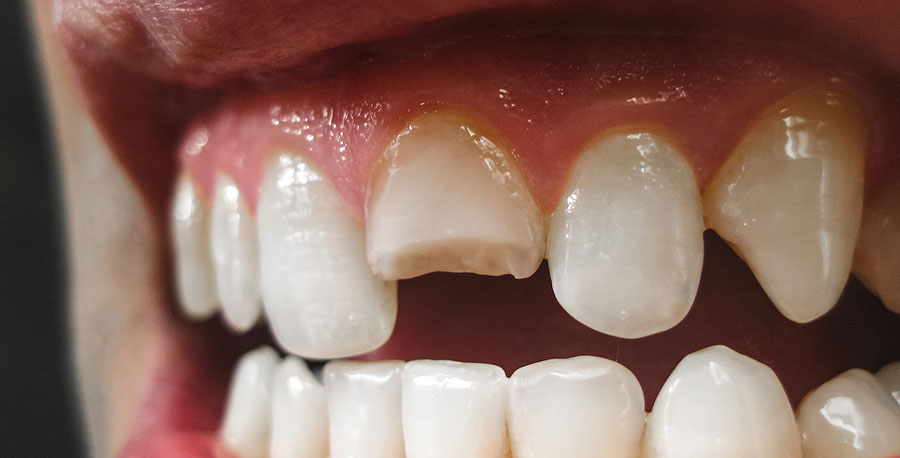
4. Chipped tooth
This always occurs due to trauma to the teeth in your daily life. Some people have weak teeth so facing a very little amount of pressure can lead to loss of a part of the tooth. This is not good from an aesthetic point of view. Also if the breakage of the tooth results in exposure of the nerves in the tooth. So it is necessary to get it corrected. The dentists correct it with a material called composite. They give it the shape of the old tooth and then show a self-curing light. There may be a slight difference in the shade of the tooth and the reconstruction. But that is hardly appreciated by most people.
5. Impacted tooth
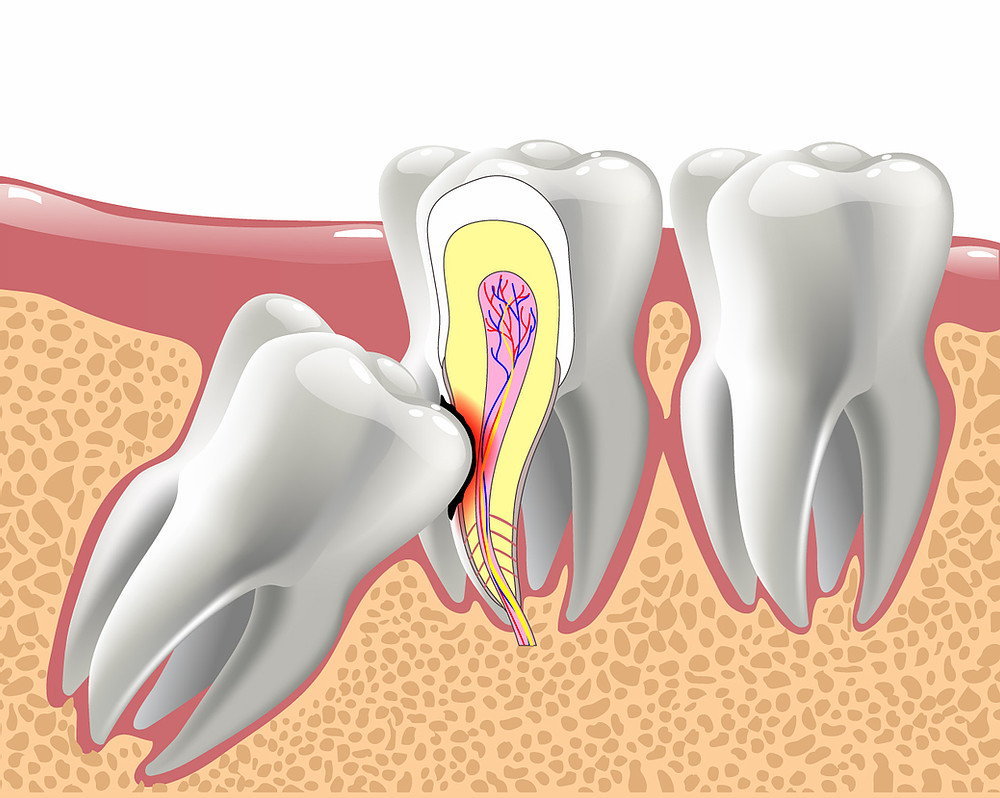
This is a tooth that never erupts or tries to erupt but it’s not possible. This is because of the ill position of the tooth. A tooth is developed from a tooth germ but because of some trauma or pressure, the teeth remain tilted or in a different position in which they cannot erupt normally. It is not a problem that can raise much concern but sometimes these teeth apply pressure or get stuck in another bone or soft tissue or any other surface of the oral cavity. If it doesn’t cause any pain or discomfort then the dentist will ask you to let it be. But it is causing pain the oral surgeon can get it out in no time.
6. Sensitivity
It is one of the chief complaints that dentists get to hear from most of their patients. It can be an issue caused due to various reasons. The causes of teeth sensitivity are not specific. So it’s most important to find out the root cause of the sensitivity. So this can be cavities or worn-out enamel or it can be fillings or the of several problems in your teeth structure or exposed root. So once the problem is determined then you can easily get it treated by doing a root canal or filling or replacing the list tissues of the gum or other treatment of gums.

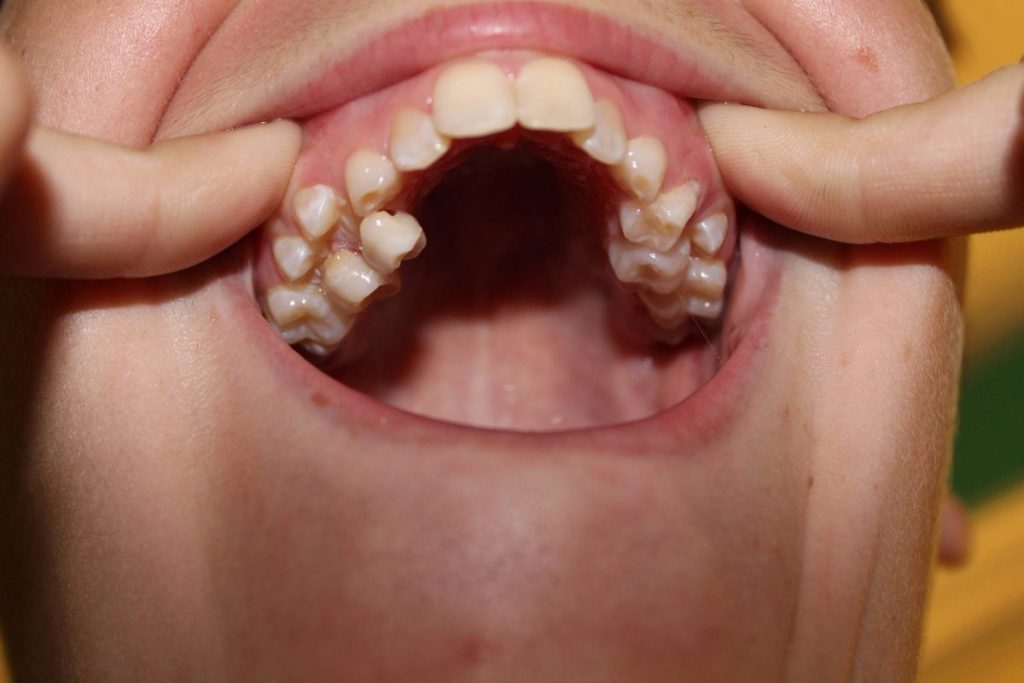
7. Hyperdontia (presence of many teeth)
How many teeth do you have? In the case of the milk teeth, the babies may have 20 teeth in a fully grown denture, and in the c of adults, there can be 28-32 teeth. Many people may have 28 teeth due to the failure in the eruption of the third molar. This is normal and not a factor of concern. But some people have more than 32 teeth. That is a factor of concern. This abnormality doesn’t occur itself. It occurs due to the presence of many syndromes like gardner’s syndrome or cleft palate.
8. Cracked tooth
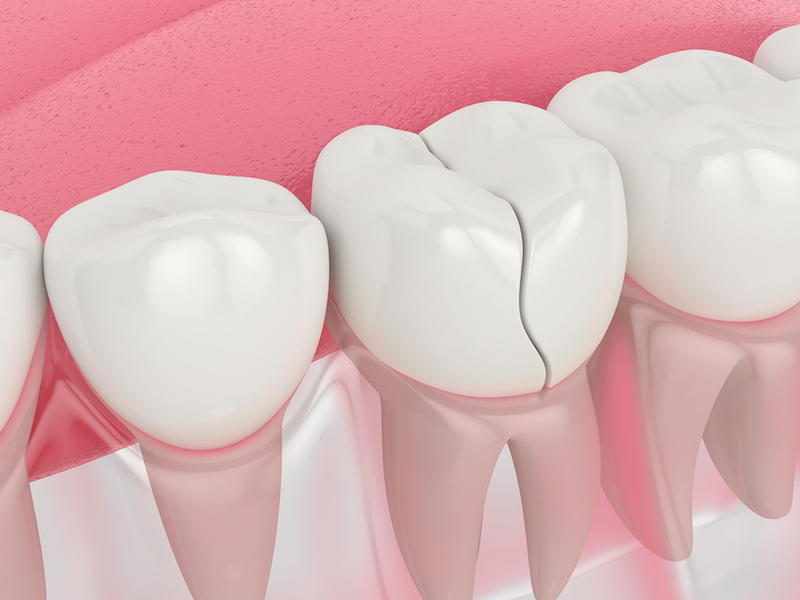
It can be caused due to trauma by hitting some objects or other. This can cause many other problems like sensitivity or toothache or bleeding of the tooth. This can be rectified mostly depending on how cracked the tooth is. If a part of the crown is absent then it can easily be restored but if most of the crown is absent then it cannot be further restored
.
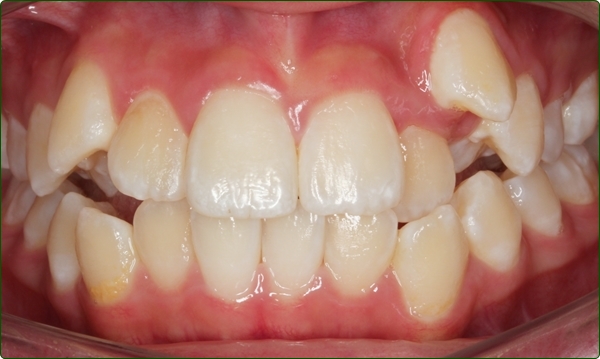
9. Malpositioned teeth
When the teeth are not the position they should be they do not look good orake the face look good. This can be corrected by taking an appointment from an orthodontist. They can be caused due to the delay in breaking of the primary teeth or malposition of the jaw or the tooth germ.
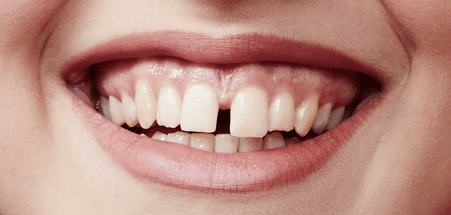
10. Gap between the teeth
This condition is known as diastema when it is present in the central incisors. This can be a host for the microbes to reside which may further cause cavities. This is also not good in tge aesthetic point of view. This can also be corrected by an orthodontist.