

How TMS Transforms Lives for Depression in Scottsdale
Depression affects millions of people globally, yet traditional treatment methods do not always provide the relief patients seek. For residents of Scottsdale, a cutting-edge solution has emerged: Transcranial Magnetic Stimulation (TMS). This non-invasive therapy offers hope for those who have struggled with depression, transforming lives by targeting brain areas associated with mood regulation. In this article, we will explore how TMS serves as a groundbreaking treatment for depression, delve into its mechanisms, share real-life success stories, and outline resources available in Scottsdale for those seeking this innovative therapy.
TMS Therapy: A Breakthrough Treatment for Depression in Scottsdale
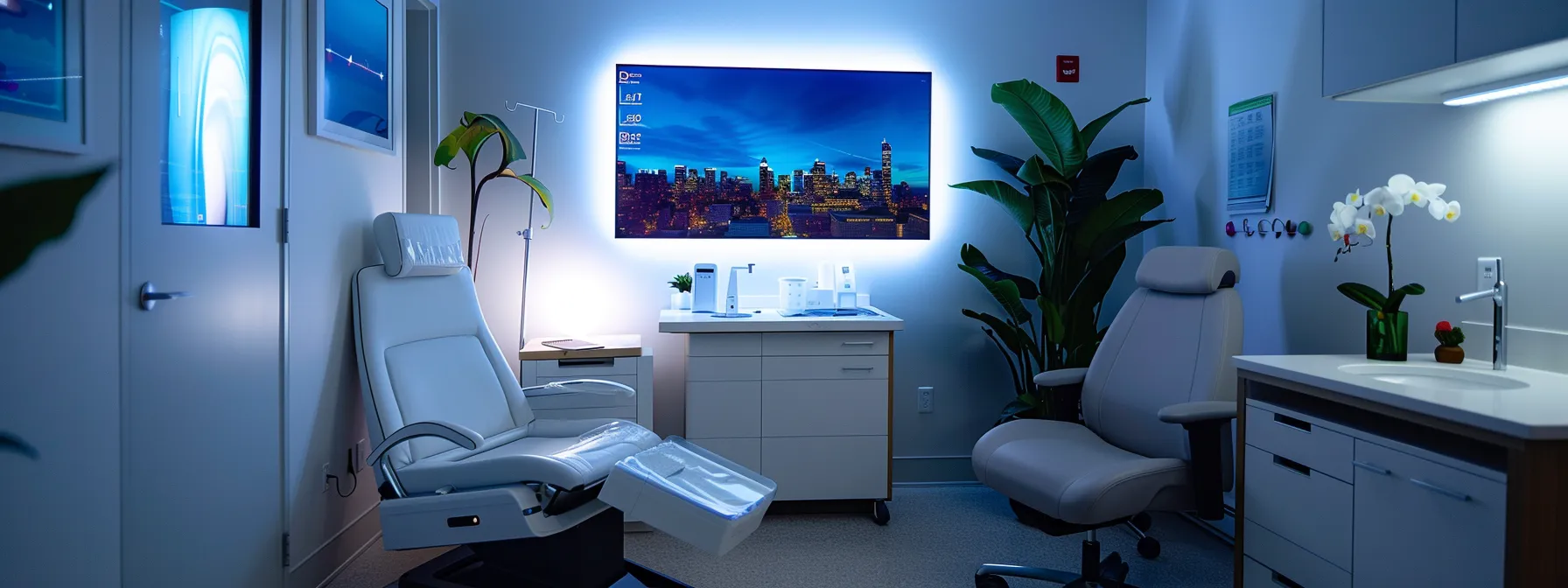
TMS therapy stands out as a revolutionary option for treating depression, particularly for individuals who have not responded to traditional methods such as Cognitive Behavioral Therapy (CBT) or medication. The therapy involves using magnetic fields to stimulate nerve cells in the brain, specifically targeting the prefrontal cortex, which is often underactive in individuals with depression. According to a recent study published by the American Journal of Psychiatry, TMS has shown a significant reduction in depressive symptoms in over 58% of patients (Source: American Journal of Psychiatry, 2022). For those in Scottsdale, TMS for Depression Scottsdale offers a promising alternative. The therapy is typically administered five times a week over a period of four to six weeks, providing a structured approach that aligns with a patient’s Relapse Prevention Plan. This systematic treatment offers new hope, particularly when combined with Psychoeducation and other therapeutic practices.
Patients who undergo TMS often report improvements in mood and overall mental health. The therapy is backed by Mental Health Parity laws, ensuring that it is accessible to those who need it. Individuals interested in learning more about TMS for Depression Scottsdale can explore local clinics that specialize in this innovative treatment.
How TMS Works: Mechanisms Behind the Transformation
The core mechanism of TMS involves the use of a coil placed against the patient’s scalp to deliver magnetic pulses. These pulses induce small electrical currents that stimulate brain cells, effectively enhancing neural activity in regions responsible for mood regulation. This approach aligns with the Biopsychosocial Model, which considers biological, psychological, and social factors in mental health treatment.
Unlike traditional therapies, TMS does not require anesthesia, making it a more accessible option for many patients. The non-invasive nature of TMS means that patients can resume normal activities immediately after each session. This convenience is particularly beneficial in Scottsdale, where lifestyle flexibility is valued.
TMS therapy is often integrated into a comprehensive treatment plan that may include Behavioral Activation and other therapeutic modalities such as Dialectical Behavior Therapy (DBT). This combination enhances the effectiveness of treatment by addressing various aspects of depression.
Real-Life Success Stories: Impact of TMS on Mental Health
TMS has transformed lives in Scottsdale by significantly reducing depression symptoms and improving the quality of life for many individuals. One patient, who had not found relief through medication and traditional therapy, reported a marked improvement in mood and daily functioning after completing a TMS treatment course.
In another case, a young adult struggling with severe depression found that TMS, coupled with ongoing support from a Therapeutic Alliance, helped manage symptoms more effectively than previous treatments. The use of TMS as part of a comprehensive Crisis Intervention Plan demonstrated its potential to provide rapid and lasting relief.
These success stories underscore TMS’s impact on mental health, making it a viable option for those seeking a transformative experience in their treatment journey. The therapy’s ability to integrate with other methods such as EMDR (Eye Movement Desensitization and Reprocessing) and Neurofeedback Training further enhances its effectiveness.
Accessing TMS in Scottsdale: Resources and Support Available
Scottsdale offers various resources for individuals interested in accessing TMS therapy. Local clinics provide detailed information and support to help patients understand the benefits and process of TMS. Many facilities also offer a Psychometric Assessment to determine the therapy’s suitability for individual needs.
Patients can benefit from an Outcome Measurement System (OMS) to track progress throughout their treatment. This system aids in monitoring improvements and adjusting treatment plans as necessary. The availability of Mindfulness-Based Stress Reduction (MBSR) programs complements TMS by helping patients develop coping strategies for stress and anxiety.
For those in Scottsdale, the path to accessing TMS is straightforward. Several clinics offer comprehensive support and guidance, ensuring that patients receive the best possible care. Those who are interested should consider scheduling a consultation to explore their options and begin their journey towards improved mental health.
Conclusion
TMS therapy represents a transformative approach to treating depression, offering new hope for those in Scottsdale who have not found relief through traditional methods. Its targeted mechanism, non-invasive nature, and integration with other therapeutic practices make it a compelling option for many. By exploring TMS, individuals can take proactive steps towards improved mental health and a better quality of life.

How TMS Therapy Scottsdale Reduces Symptoms of Severe Depression
Severe depression is a debilitating condition that affects millions of individuals, disrupting lives and hindering daily functioning. While traditional treatments like medication and Cognitive Behavioral Therapy (CBT) protocols have been effective for some, others continue to battle severe symptoms. For those seeking alternative solutions, Transcranial Magnetic Stimulation (TMS) therapy offers hope. This article explores how TMS Therapy Scottsdale is helping patients reduce symptoms of severe depression, delving into the science, patient experiences, and its comparison to traditional treatments.
How TMS Therapy Works to Alleviate Depression Symptoms
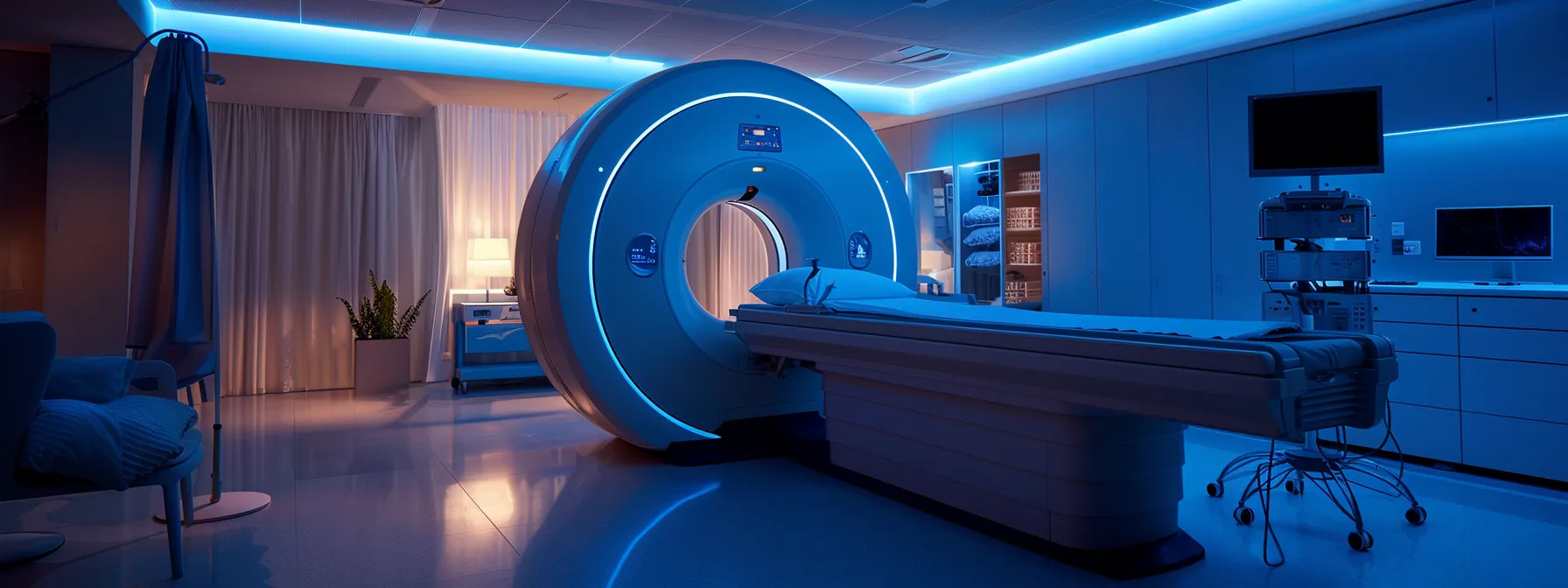
TMS therapy is a non-invasive procedure that uses magnetic fields to stimulate nerve cells in the brain, particularly in areas linked to mood regulation. Unlike psychopharmacology, which impacts the entire body, TMS targets specific brain regions, offering a more localized treatment. This precision is particularly beneficial for individuals who have not responded to other forms of treatment, such as Dialectical Behavior Therapy (DBT) or Positive Psychology interventions.
During a TMS session, a coil is placed near the patient’s head, delivering magnetic pulses to stimulate neural activity. This process helps to reset the brain’s chemistry, alleviating symptoms of depression. By integrating this treatment with Mindfulness-Based Stress Reduction (MBSR) techniques, patients can achieve a holistic approach to mental health.
Patients undergo multiple sessions over several weeks, with each session lasting about 40 minutes. The cumulative effect of these sessions is what leads to the reduction of depressive symptoms, offering a promising option for those who have found limited success with traditional methods.
The Science Behind TMS Therapy and Its Effectiveness
The effectiveness of TMS therapy is supported by numerous studies and clinical trials. Research indicates that TMS can significantly reduce symptoms of severe depression, with some studies showing improvement rates as high as 50-60% for patients who have not benefited from other treatments (Source: Mayo Clinic, 2023). This is particularly relevant in Scottsdale, where access to innovative treatments like TMS has become more widely available.
The scientific foundation of TMS lies in its ability to modulate brain activity. By altering the electrical activity in targeted brain regions, TMS helps to restore normal function and improve mood. This approach is complemented by other therapeutic techniques such as Neurofeedback, which further aids in achieving lasting improvements in mental health.
Moreover, TMS therapy has been shown to have minimal side effects compared to medication, making it a safer long-term option for many patients. This is crucial for individuals who may experience adverse reactions to traditional antidepressants.
Patient Experiences with TMS Therapy in Scottsdale
Patients in Scottsdale who have undergone TMS therapy often report significant improvements in their mood and overall quality of life. Many describe a noticeable decrease in depressive symptoms after just a few sessions, highlighting the treatment’s rapid impact. For instance, one patient shared that after completing a course of TMS therapy, they were able to return to work and engage in social activities they previously avoided.
The personalized nature of TMS therapy allows practitioners to tailor treatments to meet individual needs, ensuring optimal outcomes. This patient-centered approach is akin to Trauma-Informed Care, where understanding each patient’s unique experiences and challenges is paramount to effective treatment.
Additionally, the availability of TMS therapy in Scottsdale means that patients no longer need to travel long distances to access cutting-edge mental health treatments. This accessibility has been a game-changer for many, providing a viable option close to home.
Comparing TMS Therapy to Traditional Depression Treatments
When comparing TMS therapy to traditional treatments like medication and CBT, several key differences emerge. Unlike medication, which can take weeks to show effects and often comes with a host of side effects, TMS provides a more immediate and targeted approach. Patients often notice improvements within the first few weeks of treatment, a stark contrast to the prolonged timeline of antidepressants.
Moreover, TMS therapy does not rely on the pharmacological intervention, making it suitable for those who cannot tolerate medications or have not responded to them. This is particularly beneficial for patients who have exhausted other options, including EMDR (Eye Movement Desensitization and Reprocessing) and Group Process Therapy, without success.
Traditional therapies like CBT and Resilience Training remain integral to mental health treatment. However, TMS therapy offers an innovative alternative that can be used in conjunction with these methods, providing a comprehensive approach to managing severe depression.
Conclusion

TMS therapy represents a promising advancement in the treatment of severe depression, offering an effective alternative for those who have not found relief through traditional methods. For patients in Scottsdale, the availability of TMS therapy provides a crucial option for managing their mental health. By combining scientific innovation with personalized care, TMS therapy continues to make significant strides in reducing the symptoms of severe depression, fostering hope and healing for many.