

How TMS Transforms Lives for Depression in Scottsdale
Depression affects millions of people globally, yet traditional treatment methods do not always provide the relief patients seek. For residents of Scottsdale, a cutting-edge solution has emerged: Transcranial Magnetic Stimulation (TMS). This non-invasive therapy offers hope for those who have struggled with depression, transforming lives by targeting brain areas associated with mood regulation. In this article, we will explore how TMS serves as a groundbreaking treatment for depression, delve into its mechanisms, share real-life success stories, and outline resources available in Scottsdale for those seeking this innovative therapy.
TMS Therapy: A Breakthrough Treatment for Depression in Scottsdale
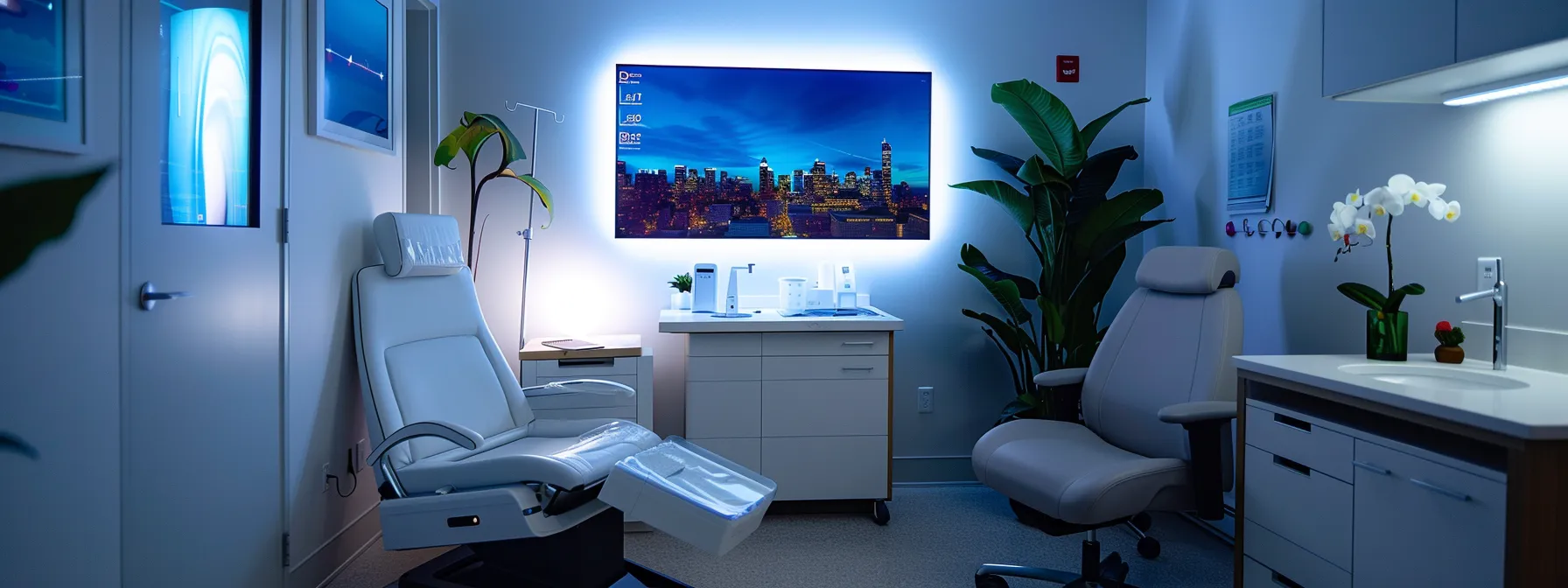
TMS therapy stands out as a revolutionary option for treating depression, particularly for individuals who have not responded to traditional methods such as Cognitive Behavioral Therapy (CBT) or medication. The therapy involves using magnetic fields to stimulate nerve cells in the brain, specifically targeting the prefrontal cortex, which is often underactive in individuals with depression. According to a recent study published by the American Journal of Psychiatry, TMS has shown a significant reduction in depressive symptoms in over 58% of patients (Source: American Journal of Psychiatry, 2022). For those in Scottsdale, TMS for Depression Scottsdale offers a promising alternative. The therapy is typically administered five times a week over a period of four to six weeks, providing a structured approach that aligns with a patient’s Relapse Prevention Plan. This systematic treatment offers new hope, particularly when combined with Psychoeducation and other therapeutic practices.
Patients who undergo TMS often report improvements in mood and overall mental health. The therapy is backed by Mental Health Parity laws, ensuring that it is accessible to those who need it. Individuals interested in learning more about TMS for Depression Scottsdale can explore local clinics that specialize in this innovative treatment.
How TMS Works: Mechanisms Behind the Transformation
The core mechanism of TMS involves the use of a coil placed against the patient’s scalp to deliver magnetic pulses. These pulses induce small electrical currents that stimulate brain cells, effectively enhancing neural activity in regions responsible for mood regulation. This approach aligns with the Biopsychosocial Model, which considers biological, psychological, and social factors in mental health treatment.
Unlike traditional therapies, TMS does not require anesthesia, making it a more accessible option for many patients. The non-invasive nature of TMS means that patients can resume normal activities immediately after each session. This convenience is particularly beneficial in Scottsdale, where lifestyle flexibility is valued.
TMS therapy is often integrated into a comprehensive treatment plan that may include Behavioral Activation and other therapeutic modalities such as Dialectical Behavior Therapy (DBT). This combination enhances the effectiveness of treatment by addressing various aspects of depression.
Real-Life Success Stories: Impact of TMS on Mental Health
TMS has transformed lives in Scottsdale by significantly reducing depression symptoms and improving the quality of life for many individuals. One patient, who had not found relief through medication and traditional therapy, reported a marked improvement in mood and daily functioning after completing a TMS treatment course.
In another case, a young adult struggling with severe depression found that TMS, coupled with ongoing support from a Therapeutic Alliance, helped manage symptoms more effectively than previous treatments. The use of TMS as part of a comprehensive Crisis Intervention Plan demonstrated its potential to provide rapid and lasting relief.
These success stories underscore TMS’s impact on mental health, making it a viable option for those seeking a transformative experience in their treatment journey. The therapy’s ability to integrate with other methods such as EMDR (Eye Movement Desensitization and Reprocessing) and Neurofeedback Training further enhances its effectiveness.
Accessing TMS in Scottsdale: Resources and Support Available
Scottsdale offers various resources for individuals interested in accessing TMS therapy. Local clinics provide detailed information and support to help patients understand the benefits and process of TMS. Many facilities also offer a Psychometric Assessment to determine the therapy’s suitability for individual needs.
Patients can benefit from an Outcome Measurement System (OMS) to track progress throughout their treatment. This system aids in monitoring improvements and adjusting treatment plans as necessary. The availability of Mindfulness-Based Stress Reduction (MBSR) programs complements TMS by helping patients develop coping strategies for stress and anxiety.
For those in Scottsdale, the path to accessing TMS is straightforward. Several clinics offer comprehensive support and guidance, ensuring that patients receive the best possible care. Those who are interested should consider scheduling a consultation to explore their options and begin their journey towards improved mental health.
Conclusion
TMS therapy represents a transformative approach to treating depression, offering new hope for those in Scottsdale who have not found relief through traditional methods. Its targeted mechanism, non-invasive nature, and integration with other therapeutic practices make it a compelling option for many. By exploring TMS, individuals can take proactive steps towards improved mental health and a better quality of life.