

Throat pain: its causes, treatment and when to see a doctor
Throat pain is a type of infection in your throat that causes pain during talking or eating or swallowing. It is a kind of infection that has happened to us due to some or another cause at some point in our life. Most of us have been suffering from this infection due to cold or acid influx or allergies. Usually, people treat it as a very common infection but this infection can be severe too. Usually, it causes difficulty in eating and drinking but in severe cases swallowing becomes very difficult. This can further lead to weight loss and other severe complications. If you read further you will have a fair share of ideas about its causes and when you should go to see the doctor or what you can do to ease the pain in your throat
Causes of throat pain
There can be several causes of throat pain some of the common causes are:
Infections caused by a virus: some common viruses like croup, the flu virus, or the cold viruses are responsible for throat pain but rare viruses like chickenpox, measles, herpangina, etc are also seen to cause throat pain.
Throat attacked by bacteria: streptococcus is a type of bacteria that usually attacks the throat. This makes your throat swell that creates difficulty in swallowing and speaking. Other bacteria known as arcanobacterium haemoliticum are responsible for throat pain. It can also lead to rashes in the throat. This throat pain is caused by bacteria that are usually treated by antibiotics. In case of strep infections in the throat, it should be treated immediately because if left untreated, it may cause serious damage to the kidney and heart, highlighting potential signs of kidney disease.
Infection that can be caused due to the nasal passage/ sinuses: it can be by bacteria, viruses, or fungi. These are also known as post nasal drip infections. Some of the infected mucus runs back to the throat causing throat infection.
Allergies: this is the most common cause of throat pain. Most people have this as their allergic reaction. There is no specific allergen that may cause throat pain. But the most common causes are pollen, dandelions, mold, dust, and many other similar allergens that cause post nasal drip. This can in turn cause throat pain.
Acid reflux: acid reflux can cause a sore throat that can in turn lead to cough and cold. This is different from all other causes. It is worse in the mornings than at night. This is because the acid from the stomach could enter the esophagus and enter the mouth. This acid can also cause erosion in teeth. Since in night sleep after dinner you do not feel it much.
Irritation can be caused by cigarette smoke, dry air, or chemicals: usually, throat pain always follows cold. When people have a cold they tend to breathe through their mouth. So when they come in contact with chemicals, or smoke, or dry air they inhale it through their mouth leading it to the throat. The pathogen in it causes an infection or the chemicals cause a reaction in the throat.
Laryngitis which is caused by shouting or overuse of your voice box: This is often a subject of concern for people who use their voice as their occupation. People like singers usually suffer this. It causes hoarseness in your voice and it also hurts when you talk.
Post intubation: throat pain can be caused if you have been intubated because of any injury or disease. It includes inserting a tube down your throat so that you can get extra help in breathing. If this is the cause then it will be cured in a day or two. It is a temporary infection.
Surgery: many surgeries that include the throat like thyroidectomy can cause sore throat. Apart from that, other non-invasive procedures involve endoscopy that includes the mouth, throat or the back of the throat can cause sore throat because of infection.
Cancer: This is very rare but it is found that many tumors can also cause sore throat or throat infection.
When to go to a doctor
If you just read the cause it must be very evident that sore throat can be a symptom of very dangerous and chronic as well as it can just be a temporary infection which can go away on its own in a couple of days. So how will you know when to visit a doctor?
In case of throat pain that is accompanied by a rash, it can be caused due to bacterial infection. In that case, you do have to visit the doctor. It is the doctor’s responsibility to decide the antibiotic and its course. If there is a strep infection and you ignore it and leave it untreated it will create more complications leading to weight loss and difficulty in swallowing food.
In case of severe swelling or pain in your tonsils, you are expected to visit a doctor.
Many throat infections lead to post nasal drips. These are the mucus running down your nose. In those cases, it is never serious but if this lasts for more than a week then you are expected to visit the doctor.
Diagnosis
Diagnosis of sore throat depends on the cause of the infection. These causes of infection can be determined by various tests and labs and diagnoses. It is very hard to try to plan for the treatment by looking at the symptoms.
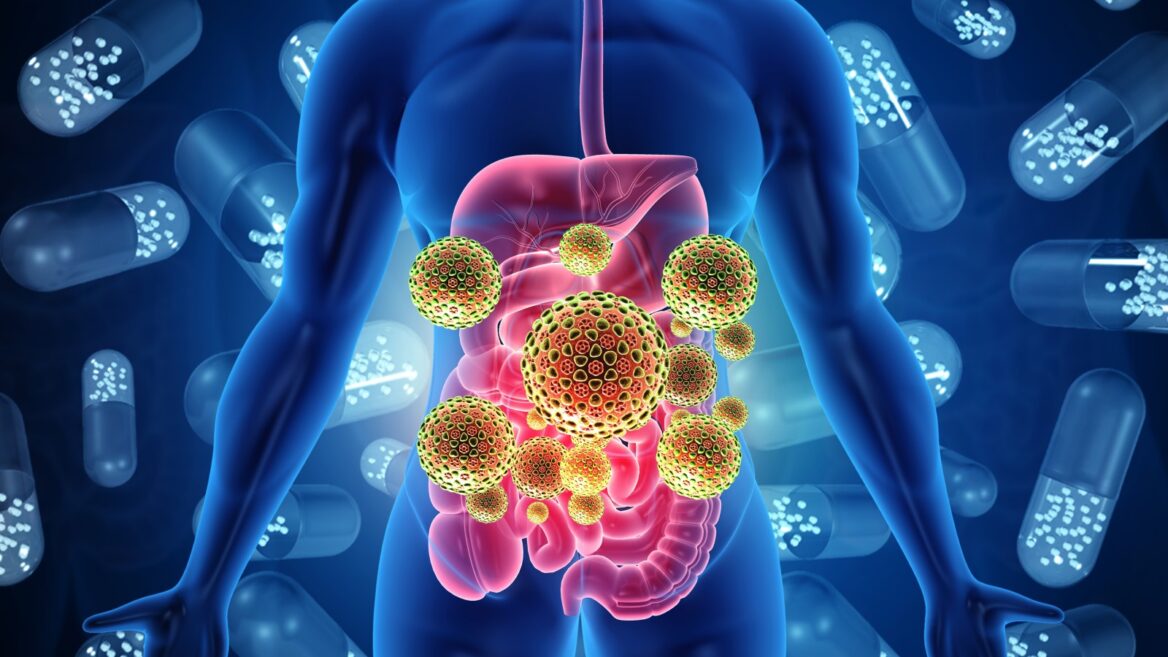
8 Most Common types of Cancer : Symptoms and Treatment
What is Cancer?
Carcinomas, adenomas, sarcomas, papillomas are some of the names of cancer. It is not caused by any pathogen. Usually, it is a condition in which some particular cell in our body divides unproportionate and uncoordinated. This can lead to the formation of an unwanted mass in our body called a tumor which further proceeds as cancer. This can occur in many parts of the body. They have different common sites depending on the sex and geography of the person. This also depends on the habits of a person. A person who smokes and drinks is expected to have cancer faster than that of a person with all the healthy habits. Apart from this occupation if a person is also important to decide the vulnerability towards having cancer. This can also be hereditary. So determining the common types of cancer depends on a lot of factors. But considering all the factors, some of the most common type of cancers are liver cancer, lung cancer, intestine cancer, skin cancer. In males, prostate cancer and females, breast cancer, and uterine cancer. These are some of the very common types of cancer that can happen in the human body.
1. Nonmelanoma skin cancer :
This is a type of skin cancer. It has two different parts: basal cell carcinoma and squamous cell carcinoma. There are reports of a lot of Americans being diagnosed with this cancer. Doctors treat it in their clinics usually.
Symptoms of basal cell carcinomas
- Skin appears scaly
- Usually, sores appear and don’t heal
- Healed sores keep appearing
- Many flat and pale areas in the skin
- Sores and bumps that bleed and visibility of blood vessels on the surface.
- Itchy and irritation in the skin
Symptoms of squamous cell carcinoma
- Skin gets scaly
- Red patches on the skin
- Bumps appear on the skin
- Sore may be difficult to heal
- Healed sores may reappear
2. Breast cancer :
Symptoms
- The appearance of a new lump or a mass near your armpit or breasts or any other part near it. They are mostly painless but some are painful and tender. Some of these are rapidly progressive and aggressive while others are slow.
The appearance of a lump doesn’t always mean that it is breast cancer but any similar sign needs a doctor’s attention immediately
- Breasts might swell
- The presence of dimples on the skin makes the skin look like an orange peel.
- Presence of scales on the skin of the breasts.
3. Lung cancer :
We all know Ill habits like smoking always lead to cancer which becomes very aggressive most of the time and it is very hard to operate.
Symptoms
- Sounds of wheezing and shortness of breath,
- Persistent cough which gets worse over time.
- Blood present in the cough
- Constant pain in the chest area
- Persistent pain and discomfort in bone and muscles around the bone
- Change in voice (the voice becomes hoarse)
- Prone to more and more lung infections like bronchitis and tuberculosis and pneumonia.
- Loss of appetite
- More frequent blood clots
4. Prostate cancer :
Symptoms
- Issues in urination: the person cannot stand, he cannot control his urine, interrupted flow of urine is seen, short span of urination, sudden urge to urinate, and leakage of urine
- Discomfort during urination( feeling of a burning sensation)
- Blood is sometimes observed in urine
- Sensing the need to urinate repeatedly mainly at night.
- Issues having or holding an erection.
- Pain during ejaculation
- Ejaculation of a small amount of fluid.
- Bleeding while ejaculation
- Pain in thighs, hip, knee, and lower back
- Pain or sensation of pressure in the rectum
- it may feel like a UTI infection.
5. Colon or rectal cancer( colorectal cancer) :
Symptoms
- People with this kind of cancer tend to lose a lot of weight without trying
- They face a lot of tiredness and exhaustion
- Their bowel habits changes.
- They can suffer from diarrhea, constipation, and narrow stool all the same time.
- Pain and discomfort in the abdomen
- Pain in the gut may come and go in a small-time or might be persistent.
- blood can be observed in stool which is either dark red or black.
- Bleeding in the rectum
Colorectal cancer does not always show its symptoms. These symptoms occur only when they are well advanced.
6. Melanoma :
Symptoms
- A mark may appeAr which would look like a mole on any part of your body.
- The Mark has uneven edges and the edges may look notched inside the skin.
- It may appear in a variety of colors like brown, black, red, pink, or blue.
- The Mark should be red, white, or blue
- The Mark should have a tip and it should be larger than a pencil eraser.
- The Mark changes its color every interval of time.
- The Mark may change its shape now and then
- The Mark may feel itching or irritating or crushed
To be able to detect melanoma in its early stage you should always get your skin checked once a month. Also when you see there is another new mole in your body you should get it checked immediately.
7. Bladder Cancer :
symptoms
- The very first symptoms of bladder cancer in blood in your urine.
- Due to the presence of blood in your urine, the urine may appear red-orange or pink in color
- There may be a change in the pattern of urine.
- You may experience pain during urination.
- Your urine stream may become weak
- You might have the urge to urinate frequently.
8. Non-Hodgkin’s lymphoma :
Symptoms
- The appearance of lumps under the skin. This may be caused due to the enlargement of lymph nodes
- Losing weight without trying
- The feeling of tiredness and exhaustion
- Sudden headaches a few times or persistently.
- Having fever chill and night sweat very often
- Loss of appetite
Three most common cancers in Men, Women and Children are as follows
- Men : Prostate, lung, and colorectal
- Women : Breast, lung, and colorectal
- Children : Leukemia, brain tumors, and lymphoma
Treatment :
Earlier cancer was treated as a disease that cannot be cured. But medicine these days has developed a lot. These days diseases can be cured even with radiation and chemotherapy. The wildly aggressive cancers can be operated. This surgery can result in the loss of the organs it has caused in. But there are many other ways cancer can be cured. Many people have fought and survived different dangerous cancers. There are formation of various NGOs who also provide monetary support too.
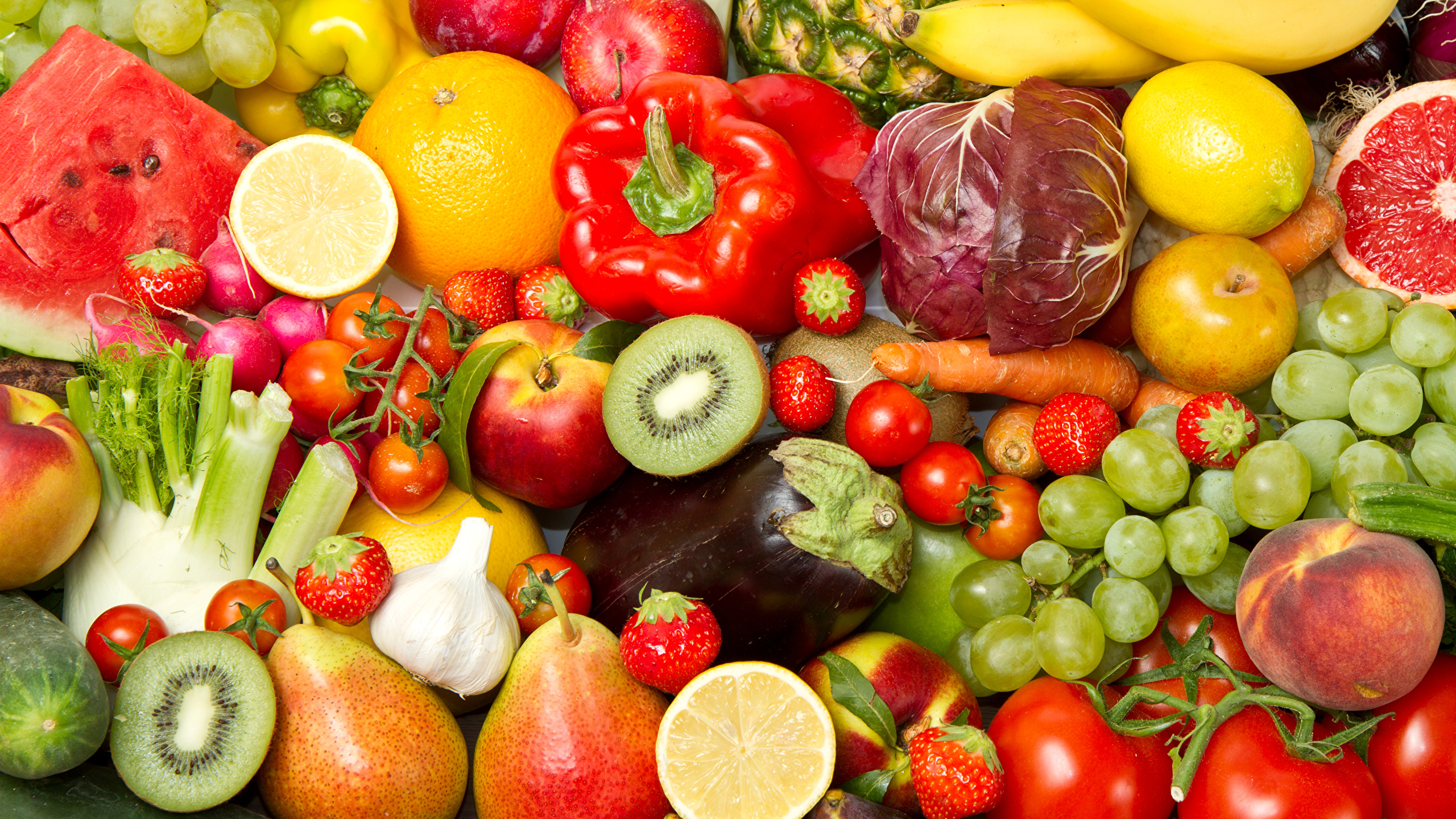
8 Best Fruits That Are Good for Controlling Diabetes
Diabetes is a group of diseases that result in too much sugar in the blood(high blood glucose). a person having these diseases called diabetics. The main cause of diabetes is
1. Pancreas not producing enough insulin to the body
2. The cells of the body not responding properly to the insulin produced by the body.
There are the 8 most common fruits that controlling diabetes are:-
1. Apples
Polyphenols are found in the skin of Apple which is helpful to improve the body’s ability to utilize insulin effectively. This helps your cells absorb sugar and provide energy and regularly eating apples may reduce insulin resistance, leading to lower blood sugar levels.
A medium-sized apple contains 0.3 grams of fat, 95 calories, 4.4 grams of fiber, 0.4 grams of proteins, 25 grams of carbs. And also it is a good source of vitamins, apple provides 14% of your daily recommended vitamin c intake. It is cholesterol-free, fat-free, and sodium-free. Apples having a low glycemic index(GI) and glycemic load(GL) of about 32 and 4.7 respectively. which causes a minimal rise in blood sugar levels that’s why Apple is one of the best diabetes-friendly fruit.

2. Bananas
Bananas having much potassium. a medium-sized banana contains 9% of the RDI. Banana can help lower blood pressure. Banana has a low glycemic index(GI) . A medium-sized banana contains 1mg of, having 0 cholesterol. It is low in calories having 105 calories. It also contains 422 milligrams of potassium, 3.1 grams of fiber, and It contains fiber which helps to slow the digestion of carbohydrates and plays an important role in maintaining a normal gut environment, metabolism, and decreasing cholesterol. That’s why the banana plays important role in controlling diabetes.

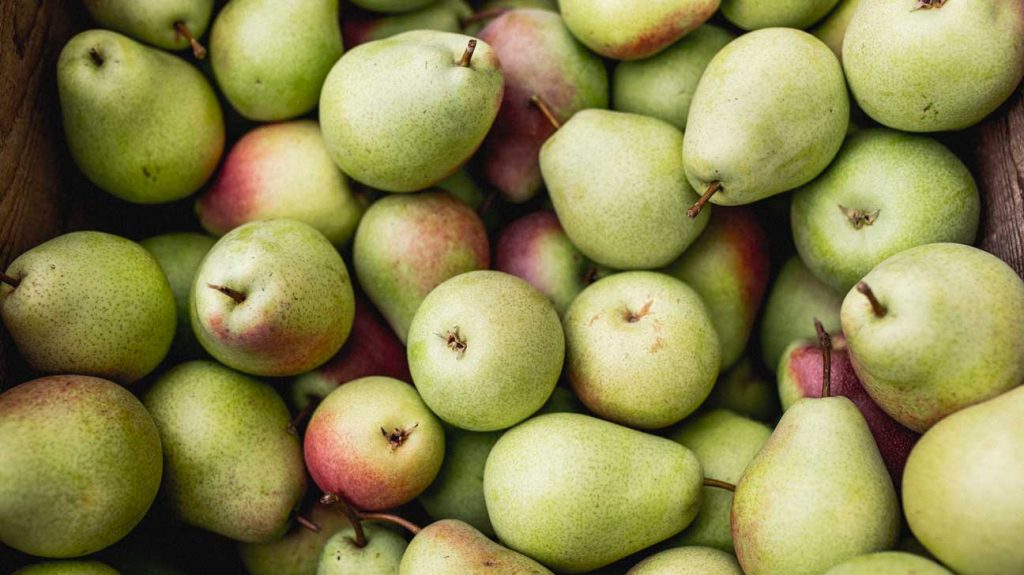
3. Pears
Red-skinned pears have carotenoids which reduce the danger of cancer and eye disease. Antioxidants, vitamins, and minerals are found in pears. Pears contain a low glycemic index(GI) and glycemic load(GL) of approx 30 and 7 respectively. A medium-sized pear having. It contains 101 calories, 27 grams of carbohydrates, 5.5 grams of fiber where 71% is insoluble and the remaining is soluble, 206 mg of potassium, 7.5 grams of vitamin C. Pears have many health benefits because it is rich in vitamin and nutrient.it has fighting inflammation, serving as an antihyperglycemic and it is helping with digestion. so that pears are helpful for diabetics.
4. Grapes
A study is held by the British Medical Journal in 2013 and found that grapes are helpful with a lower risk of developing type 2 diabetes. Grapes having some important nutrients and powerful plant compounds which is helpful for health. Grapes have a low glycemic index (GI)59 and do not raise blood sugar levels and they contain sugar.
.One cup (151 grams) of grapes having they contain 104 calories, 27.3 grams of carbs, 1.1 grams of protein, 0.2 grams of fat, 1.4 grams of fiber, 27% of the vitamin C of RDI, 8% of the potassium of the RDI.Grapes have also vitamin C, beta carotene, quercetin, lutein, and ellagic acid which are powerful antioxidants. These qualities of grapes help diabetics to recover from diabetes.

5. Oranges
The cultivation of oranges has started in eastern Asia thousands of years ago. Oranges are one of the most popular fruit. they are also called sweet oranges. Oranges are a good source of fiber, vitamins, thiamine, folate, and antioxidants. They have many more benefits of health. A medium-sized orange(100 grams)contains 47 calories, 87% of water, 0.9 grams of protein, 9.4 grams of sugar, 11.8 grams of carbs, 2.4 grams of fiber, 0.1 grams of fat. Regular consumption of oranges is beneficial for health. they have a low glycemic index so they less affect blood sugar and insulin levels. Diabetics can eat one navel orange per day is beneficial for their health.

6. Berries
According to the ADA (American Diabetes Association) berries are beneficial for diabetics whether they like blueberries, strawberries, or any other type of berry all are helpful because they are full of antioxidants and fiber. Berries may benefit blood sugar management by increasing insulin sensitivity and improving clearance from the blood. One cup of fresh blueberries contains 84 calories, 21 grams of carbohydrates, 4 grams of fiber, 11 grams of carbohydrates, 0 grams of fat. The Glycemic index measure in berries is 53, which is low GI. This is the same as a banana. The glycemic load of berries is low which includes portion size and digestible carbohydrates. One cup of blueberries (150 g) has a GL of 9.6.

7. Kiwi
Kiwi is beneficial for both types of diabetes whether you have Type1 or Type 2 diabetes.it is one of the best fruits for people suffering from diabetes.it controls your blood sugar level and also helps in controlling diabetes because it is rich in vitamin C.it increases the immunity and ability to fight the diseases. One kiwi contains many nutrients that it contains 42 calories, 10 grams of carbohydrates, 215 my of potassium, 64 mg of vitamin C, 2 grams of fiber. Kiwi has a low glycemic index of 50 as well as a low glycemic load of 7.7. This makes it a healthy choice amongst the list of fruits. An average person can eat around 2-3 kiwis per day.

8. Avocados
It is a creamy green fruit that is full of vitamins, nutrients, and heart-healthy fats. Avocados are helpful for type 2 diabetes patients, mentioning them in your diet may help to lose weight, lower cholesterol and increase insulin sensitivity. It is rich in fiber. The minimum intake of fiber for people with type 2 diabetes is around 40 grams. Avocado is cholesterol-free, gluten-free, low in sodium and it contains, 227 calories, 2.7 grams of protein, 12 grams of carbs, 21 grams of fats, 9.2 grams of fiber. It provides a healthy dose of monounsaturated fats, which may help lower bad cholesterol. so that it takes an important role in controlling diabetes.

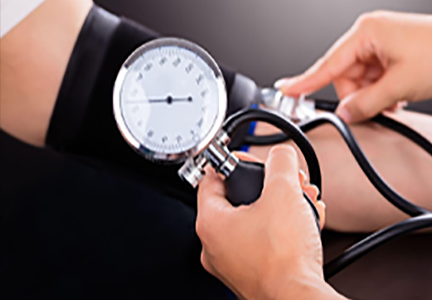
Effective Ways for Blood Pressure Treatment
High blood pressure or hypertension is a dangerous disease because it can put you at risk for heart failure, kidney failure, stroke or other serious medical conditions. But the good thing is that the risks associated with high blood pressure can be greatly reduced by making certain modifications in your lifestyle as well as taking your medicines. Possibility of High Blood Pressure Treatment is something no one should ignore.
What is High Blood Pressure?
It is the force of blood pushing against the walls of arteries. When the pressure is consistently higher than the normal, then you are diagnosed with the condition called “Hypertension”
To make it simpler, let’s understand how it works:
The heart is an organ whose primary responsibility is to pump blood. The deoxygenated blood reaches the heart which is then oxygenated and delivered through the blood vessels to other organs of the body. Each heartbeat is the manifestation of this blood pumping process. When the heart beats, it creates pressure which pushes the blood throughout the vessels.
Blood Pressure is Created by Two Types of Forces:
Systolic pressure: It is the top number of the blood pressure reading which measures the pressure on the blood vessel walls when the heart contracts or as the blood pumps out of the body.
Diastolic Pressure: It is the bottom number of the blood pressure reading which measures the blood pressure when the heart rests between the beats.
Know your numbers!
If your blood pressure reading is 130/80 mm Hg, the systolic pressure is 130 mm Hg and diastolic pressure is 80 mm Hg.
Keeping this in mind, let’s understand the stages of hypertension:
Elevated: When the systolic level is between 120- 129 mm Hg and diastolic level is between 80- 89 mm Hg.
Hypertension stage 1: When the systolic level is between 130- 129 mm Hg and diastolic level is between 80- 89 mm Hg.
Hypertension stage 2: When the systolic level is between 140- 180 mm Hg and diastolic level is between 90- 120 mm Hg.
Hypertensive Crisis: When the systolic level is above 180 mm Hg and diastolic level is above 120 mm Hg.
Symptoms of High Blood Pressure
Most people with hypertension do not experience any symptoms which is why it is also called the “Silent Killer”. But a few people may have:
- Headache
- Nose bleeding
- Dizziness
- Heart palpitations
- Shortness of breath
- Vomiting
- Blurred vision
Treatment
Medications: The medications will depend upon how severe the hypertension is or whether there is risk of cardiovascular or other diseases. Your doctor may recommend one or combination of several different medicines which may change over time depending upon your condition. Therefore, you should work with a health care provider and only take prescribed medicines in the right dosages.
The hospitals that you can visit for the treatment of high bp :
- Ginihealth: Ginihealth is a new-age healthcare provider offering preventive and personalized healthcare services for various lifestyle disorders. They have a specialized “Blood Pressure Management” programme which is designed to bring the blood pressure to optimal levels with the help of medications, nutrition and exercise plans. Along with optimizing the blood pressure levels, the programme also aims at reducing other health complications and improving the overall health of patients.
- Fortis Heart & Vascular Institute: Fortis hospital has a highly specialized and co-ordinated team for the treatment and management of high blood pressure. They use a holistic approach towards hypertensive management which includes medications as well as lifestyle changes. They also provide 24- hour care for patients with critical conditions and heart problems.
- Paras Hospital, Gurgaon: Paras hospitals provide high-quality and compassionate care to their patients at affordable prices. They help patients control hypertension with medical treatment as well as guiding them about healthy eating and weight reduction, providing them remarkable possible outcomes.
Follow the Dash Diet
DASH diet, which stands for Dietary Approaches to Stop Hypertension, emphasizes on adding fruits, vegetables, whole grains, high-potassium foods, and low fat dairy products in your diet while reducing sodium intake. Patients are advised to cut back on salt, sugar, refined carbohydrates and processed food such as soda, juice, chips, canned soup etc and increase the intake of healthier foods like avocados, oranges, sweet potatoes, bananas etc. The idea of DAS diet is basically to replace a low carb, low fat diet with a high protein, high fiber diet.
Move Your Body
If you’ve been inactive for a long time it can increase your blood pressure. Therefore you should get regular exercise. For that, you don’t necessarily need to hit the gym but any activity that gets your heart pounding like cycling, swimming, playing a sport or even walking briskly can help you reduce your blood pressure. You can start out slowly and then pick up the pace as you get stronger. The most important thing is to “move your body”.
Maintain a Healthy Weight
If you are overweight or obese, shedding even a few kilograms can have a significant impact on your blood pressure levels. The extra fat around your waist which is also known as visceral fat can lead to serious health problems including high blood pressure and heart diseases. Therefore, you should try losing a few inches around your waist.
Reduce Stress
Emotional stress can temporarily increase your blood pressure but if you have chronic stress it can make things even worse and you may experience a high blood pressure for an extended period of time. You should try to find out what triggers your stress and solutions to fix it. You can also try deep breathing, meditation and yoga for relieving stress. Find some time to unwind and relax as it can also help you manage your stress levels.
By making some positive lifestyle changes and consulting a healthcare provider, you can lower your blood pressure, prevent yourself from serious heart diseases and eventually increase your life expectancy.